liveBook · Manning

Task prioritization

As explained in Architecture Modernization: Socio-technical alignment of software, strategy, and structure

Prioritization is the process of ranking initiatives or activities according to their relative value, urgency, constraints, and strategic contribution.

Task prioritization ranks modernization initiatives by their contribution to valuable outcomes while accounting for urgency, risk, existing commitments, and strategic importance. It remains dynamic: projects already underway may need to continue, be replanned, or yield to a quicker win or product-roadmap deliverable. section 16.3.3

Use these questions to make prioritization explicit:

  • Are current initiatives contributing to the highest-value modernization outcomes? section 16.3.3
  • Would a quicker win, a roadmap commitment, or reduced delivery risk justify changing the ideal sequence? section 16.3.3
  • How will the organization preserve attention and communicate importance when a future core does not yet deliver value? section 10.3.3
  • What evidence should increase investment, change direction, or shut down an uncertain initiative? section 10.3.3

A practical prioritization register

Maintain a shared spreadsheet in which each row represents a subdomain. Record the modernization approach—such as lift and shift or total modernization—and assign a high, medium, low, or numeric priority. Revisit the register as strategy, commitments, and evidence change. section 16.3.3
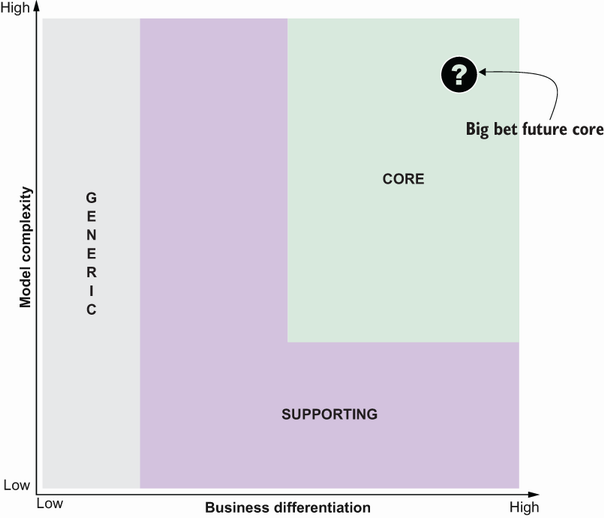
Figure 10.11 The big bet future core pattern

Use the big bet future core pattern to examine why an initiative with no current value may still require protected attention, distinct success measures, and explicit investment decisions. section 10.3.3


How Architecture Modernization: Socio-technical alignment of software, strategy, and structure covers it

How deep it goes
Explains dynamic prioritization through strategy checks, scorecards, core-domain charts, and tracking; stops short of a fixed ranking formula.
Examples
Uses a subdomain spreadsheet, high-medium-low or numeric scores, quick-win trade-offs, and a big bet future core.
What it assumes
Assumes a modernization strategy and familiarity with outcomes, subdomains, product roadmaps, scorecards, and core-domain charts.
What you can do after
Evaluate modernization initiatives, negotiate sequencing, protect strategically important experiments, and decide when to increase investment or shut them down.
How it connects
Connects modernization strategy with modernization outcomes, product roadmaps, scorecards, core domains, subdomains, and strategic IT portfolios.

Also explained in

Compare how 5 books explain task prioritization →

Related concepts

This explainer was generated by Manning's knowledge graph from the text of Architecture Modernization: Socio-technical alignment of software, strategy, and structure. The section links point to the parts of the book it draws on.


