liveBook · Manning

Threat model

As explained in Data-Driven Cybersecurity

Threat modeling is a structured analysis of possible threats, attack paths, vulnerabilities, and mitigations for a system or design.

Threat modeling helps development teams identify and predict potential threats, consider threat actors and attack vectors, and determine measures to mitigate risk. section 7.4.5

Address attack vectors early in design to make systems more resilient. Integrating security work into product milestones can support risk management without losing sight of development goals. section 4.1.3 section 7.4.5

Figure 7.7 An overview of how security is integrated into each SDLC phase, highlighting critical security tasks associated with planning, development, testing, deployment, and maintenance stages.
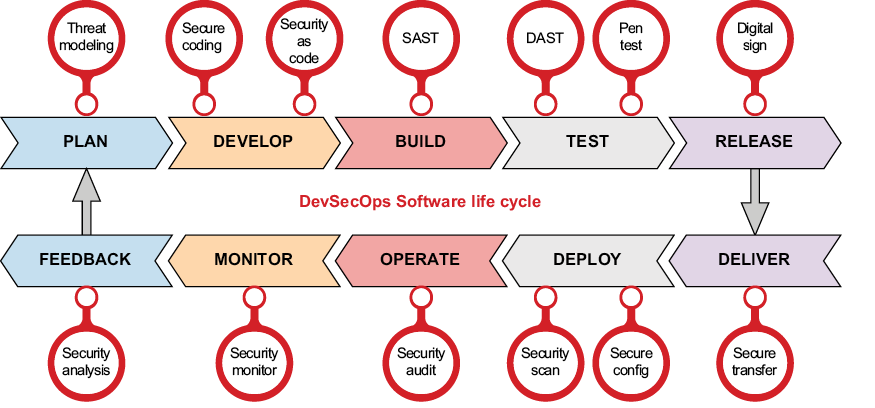
Use the lifecycle overview to place security work across planning, development, testing, deployment, and maintenance. section 7.4.5


How Data-Driven Cybersecurity covers it

How deep it goes
Defines threat modeling through threats, actors, attack vectors, and mitigations, but gives no procedural modeling steps.
Examples
Places attack-vector identification in early design and situates security measures at design reviews, prototyping, and testing.
What you can do after
Apply it to identify potential threats and attack vectors, then determine mitigating measures for a system.
How it connects
Connects threat modeling with secure software development, the SDLC, secure coding, and security metrics.

Also explained in

Compare how 7 books explain threat model →

Related concepts

This explainer was generated by Manning's knowledge graph from the text of Data-Driven Cybersecurity. The section links point to the parts of the book it draws on.




