An audit systematically examines records, controls, or activities to verify correctness, accountability, or compliance. In enterprise technology, it depends on knowing what data exists, who may use it, how long it is retained, and what system activity is recorded. section 8.5.2 section 12.6.3
Build an audit-ready operating picture by asking:
- Who owns each data category, and are you an owner or merely a steward? section 8.5.2
- How long should operational stores and backups retain the data, and what triggers deletion or migration? section 8.5.2
- Who can see the data, internally or externally, and which encryption or access-list restrictions apply? section 8.5.2
- Which logs reveal system faults, performance issues, coordinated attacks, and suspicious account activity? section 8.5.2 section 12.6.3
A small but useful audit signal
Record successful and failed login attempts. A late-night use of an employee account or an attempted access to a recently closed account can expose activity that warrants investigation. The appropriate detail depends on the organization and the data it stewards. section 12.6.3
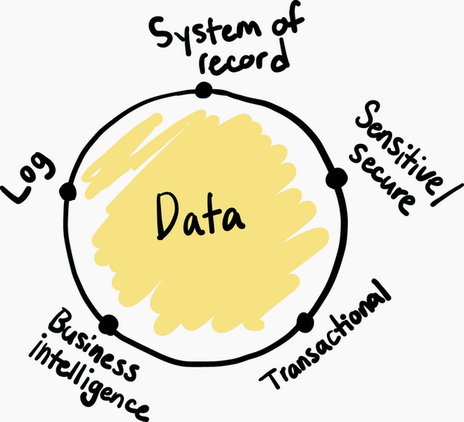
Use the data type framework to organize audit questions across sensitive, transactional, business-intelligence, and log data. section 8.5.2




