liveBook · Manning

Collaboration

As explained in Architecture Modernization: Socio-technical alignment of software, strategy, and structure

Collaboration is an interaction mode in which two teams work together through ongoing synchronization toward a shared outcome.

Collaboration is an interaction mode in which two teams work together toward a shared outcome. Both teams change their own areas, while success depends on staying aligned through close coordination. That alignment carries a high cognitive-load cost, so collaboration is appropriate only when its benefits outweigh reduced team output. section 11.2.2

Collaboration typically involves:

  • Synchronizing work through shared rituals, joint decision-making, and frequent communication. section 11.2.2
  • Reconsidering the relationship as context and workload change; switch to X-as-a-service or remove the relationship when close alignment no longer justifies its cost. section 11.2.2

Overloaded integration platform team

A global cosmetics brand’s integration platform team collaborated with at least four other teams, building and maintaining custom endpoints because those teams lacked skills or budget. The resulting coordination load made the platform team a bottleneck. Mapping the topology created shared agreement to stop accepting work outside the platform’s responsibility and hand over existing responsibilities. section 11.2.3
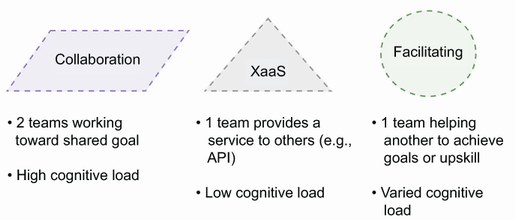
Figure 11.5 The three interaction modes of Team Topologies

Use the interaction-mode figure to compare collaboration with X-as-a-service and facilitating. section 11.2.2
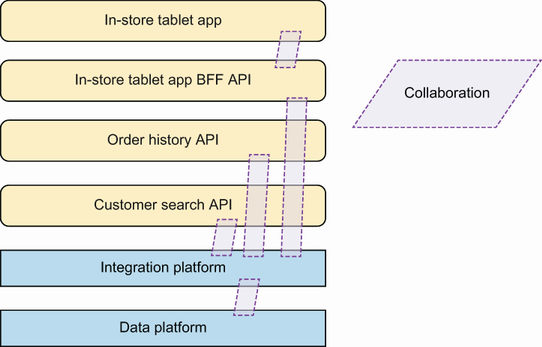
Figure 11.6 The integration platform team was overloaded with too much collaboration.

Use the team-topology figure to inspect how excessive collaboration can overload an integration platform team. section 11.2.3


How Architecture Modernization: Socio-technical alignment of software, strategy, and structure covers it

How deep it goes
Defines collaboration, explains its coordination mechanisms and cognitive-load cost, and diagnoses overload through an industry topology example.
Examples
Uses shared rituals, joint decisions, communication, topology mapping, custom endpoints, and an overloaded integration platform team.
What you can do after
Diagnoses coordination overload, visualizes team dependencies, and chooses whether to continue collaboration or change responsibilities and interaction modes.
How it connects
Connects collaboration to interaction modes, cognitive load, X-as-a-service, facilitating, team topology, and stream-aligned teams.

Also explained in

Compare how 7 books explain collaboration →

Related concepts

This explainer was generated by Manning's knowledge graph from the text of Architecture Modernization: Socio-technical alignment of software, strategy, and structure. The section links point to the parts of the book it draws on.




