liveBook · Manning

Completeness

As explained in Data Without Labels

Completeness is a data-quality attribute indicating that required values, records, variables, and time periods are present.

Completeness is a data-quality attribute indicating that required values, records, variables, and time periods are present. A complete dataset avoids missing important data points and supports more reliable outputs. section 1.2.3

Sales data across a year

A sales dataset covering one year is complete when it contains values for all 12 months; missing months create holes in the data source. section 1.2.3

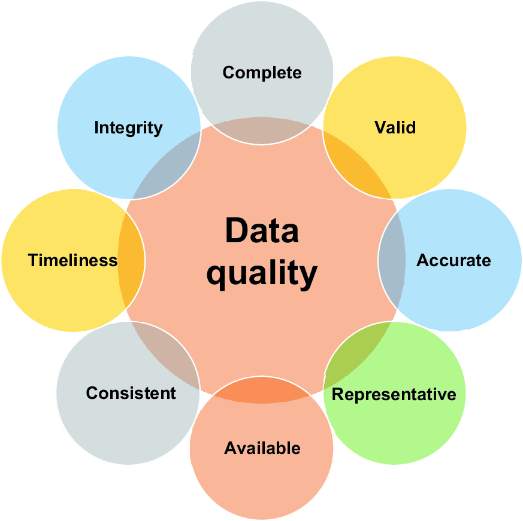
Figure 1.5 Data quality is of paramount importance; attributes of good-quality data are shown.
figure

Use the data-quality attributes diagram to relate completeness to validity, accuracy, representativeness, and availability. section 1.2.3


How Data Without Labels covers it

How deep it goes
Defines completeness through missing values and data points, without detailing implementation checks or remediation procedures.
Examples
Uses annual sales data containing values for all 12 months as the completeness example.
What you can do after
Evaluate datasets by identifying missing values, variables, records, or time periods before relying on their outputs.
How it connects
Connects completeness with data quality, validity, accuracy, representativeness, and availability.

Also explained in

Compare how 6 books explain completeness →

Related concepts

This explainer was generated by Manning's knowledge graph from the text of Data Without Labels. The section links point to the parts of the book it draws on.



