DevOps brings software development and IT operations together so teams can deliver stable systems, prevent recurring problems, and improve continuously. It shifts teams from reacting to failures toward maintaining systems proactively through collaboration, communication, automation, and feedback. section 12.2.9
Practical DevOps work can include:
- Improve on-call processes, document runbooks, and strengthen reporting. section 12.2.9
- Prioritize security during development through DevSecOps and secure coding practices. section 12.2.9
- Optimize services, investigate root causes, and use logs or memory-dump analysis to resolve failures faster. section 12.2.9
- Balance maintaining existing systems with building new ones, using transparent goals and continuous improvement. section 12.2.9
Netflix: automation and resilience
Netflix used automation to streamline deployment and infrastructure provisioning, built systems that handle failures gracefully, and adopted an iterative path from cloud migration to resilience testing. Chaos Monkey deliberately disrupted production instances to test fault tolerance. section 13.2.7
Figure 12.2 DevSecOps combines security with DevOps to ensure development of a secure product.
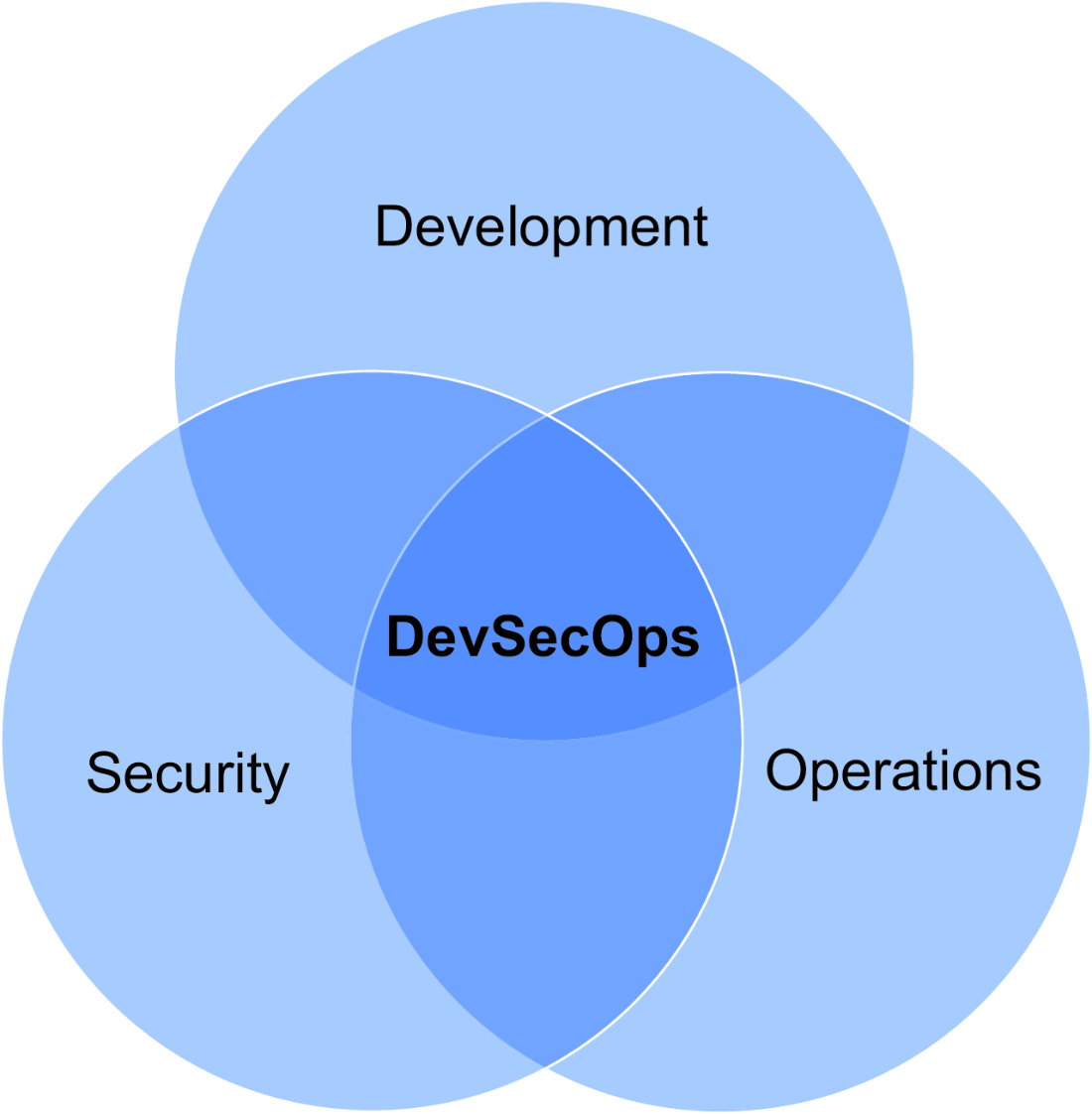
DevSecOps extends DevOps by placing security within the development process rather than treating it as a separate late-stage concern. section 12.2.9
DevOps is not a one-size-fits-all solution. Start by identifying team pain points, setting tangible goals, finding advocates, creating a roadmap, and choosing success metrics for operational improvements. section 12.5






