A technical article explains software engineering work, such as a feature, design decision, failure, bug hunt, or architectural change. Its job is to share useful engineering insight clearly enough that readers can understand, evaluate, and reuse it. section 1.0 section 1.3.4
Start with a real engineering experience rather than a generic topic. A strong candidate is something you are proud of, pained by, or passionate about—the 3 Ps test. section 2.1 section 2.4
Use this compact workflow to turn experience into a publishable article:
- Choose a topic rooted in your own work, then test interest with a social post or a few variations. section 2.1
- State the problem, solution, design, tradeoffs, or lesson in natural language before polishing the prose. section 1.1.2 section 1.3.4
- Verify claims, research related work, and check that code snippets are sensible and correct. section 1.1.7
- Revise for precision and reader clarity; automate punctuation and language checks instead of letting them displace the engineering point. section 1.3.1 section 1.4
- Publish when the project has a meaningful angle, even if it is not fully complete or released. section 1.3.4
Feature explanation as engineering practice
After implementing a new feature, write down the problem, describe the design and examples, and explain why the approach works. The act of explaining may expose a logical fallacy, missed corner case, or incorrect assumption; return to the code, fix it, and update the article. Later, link the article from user documentation, code reviews, problem reports, or onboarding messages instead of repeating the explanation. section 1.1.2 section 1.1.10
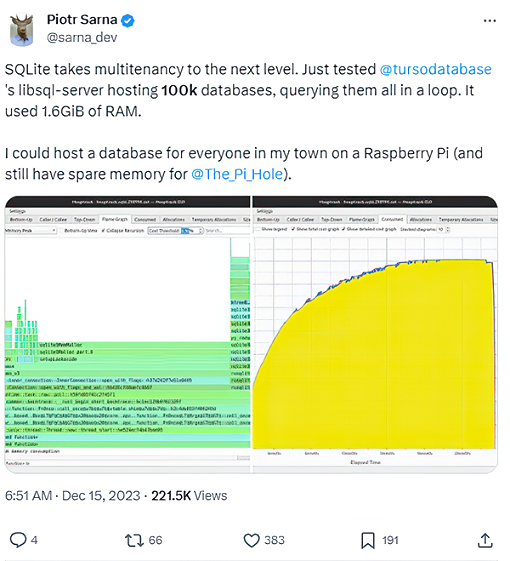
A social-post response test helps compare topic angles before investing in a full technical article. section 2.1
