liveBook · Manning

Graph machine learning

As explained in Graph Algorithms for Data Science

Graph machine learning is machine learning that represents data and their relationships as a graph and exploits graph structure during modeling.

Graph machine learning applies machine learning to data represented as graphs, using relationships and network position to add context to individual data points and improve modeling. section 1.1

Common graph machine learning workflows include:

  • Node classification and regression, augmented with features describing a data point’s role or position in the network. section 1.1
  • Clustering, using graph metrics that encode the role or position of each data point. section 1.1
  • Link prediction, for business scenarios that require predicting future relationships. section 1.1
  • Marketing and influence analysis, using important or well-positioned nodes to guide information-spreading strategies. section 1.1

Social-network analysis

Represent a social network as a graph, identify influential nodes or community structure, and feed those network signals into classification, clustering, or link-prediction workflows. section 1.1
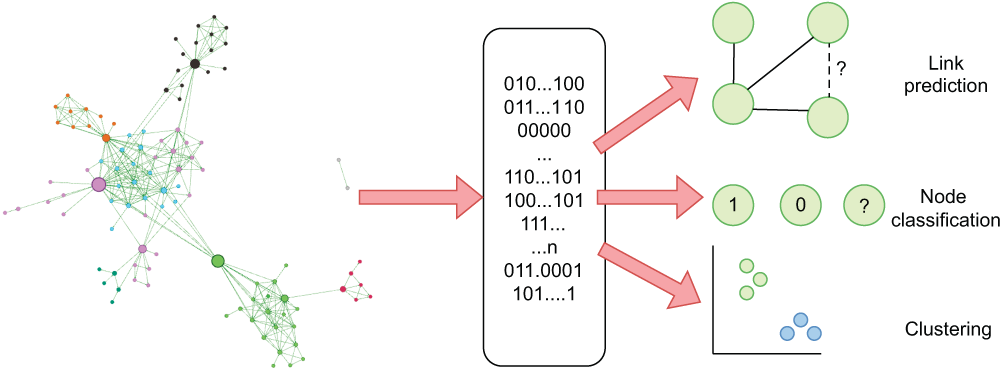
Figure 1.10 Graph-based machine learning
01-10

Use the graph-based machine learning figure to connect graph structure with downstream modeling workflows. section 1.1


How Graph Algorithms for Data Science covers it

How deep it goes
Explains workflow applications and graph-derived features, while stopping short of detailed machine-learning implementation.
Examples
Uses social-platform graphs, influential nodes, community structure, and future-link prediction as concrete examples.
What it assumes
Assumes a graph representation and builds toward machine learning through graph modeling, querying, and algorithms.
What you can do after
Evaluate graph-shaped machine-learning problems and select node, clustering, or link-prediction workflows using network context.
How it connects
Connects graph modeling, graph query language, graph algorithms, community structure, node influence, classification, regression, clustering, and link prediction.

Also explained in

Compare how 3 books explain graph machine learning →

Related concepts

This explainer was generated by Manning's knowledge graph from the text of Graph Algorithms for Data Science. The section links point to the parts of the book it draws on.
