liveBook · Manning

Constraint

As explained in The Art of AI Product Development

A prompt constraint is an instruction that restricts the content, length, vocabulary, or other properties of a model's output.

A prompt constraint restricts what a model may produce, including its length, vocabulary, tone, or inclusion of promotional material. It turns a broad request into an output that better fits user, editorial, or programmatic needs. section 6.1.2

Useful constraints make requirements explicit:

  • Set a maximum length, such as limiting an article to 800 words. section 6.1.2
  • Control language by requesting simple, accessible wording and avoiding technical jargon. section 6.1.2
  • Exclude unwanted content, such as promotional language or product mentions. section 6.1.2
  • Add constraints dynamically when retrieved context is not keeping generated content grounded. section 7.3.3

A practical constraint set

For an article about AI Act compliance: “Limit the article to 800 words. Avoid technical jargon; use simple, accessible language. Do not include promotional language or product mentions.” section 6.1.2

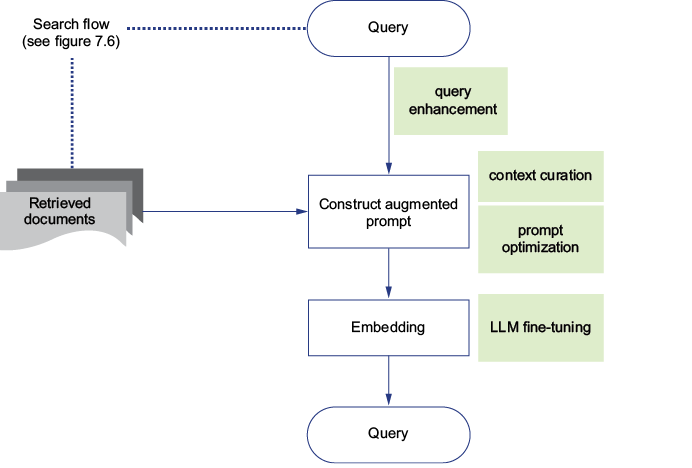
Figure 7.10 Optimization potentials in the RAG system
A diagram of a process

AI-generated content may be incorrect.

Use the RAG optimization map to position prompt constraints alongside query enhancement, retrieval, and model adaptation. section 7.3.3


How The Art of AI Product Development covers it

How deep it goes
Defines constraints and demonstrates practical wording, but does not descend into model internals or formal constraint enforcement.
Examples
Demonstrates word limits, accessible language, excluded promotion, and dynamically added grounding instructions.
What it assumes
Assumes a defined generation task and teaches users to refine requirements through manual prompt experimentation before introducing tools.
What you can do after
Apply prompt engineering manually, then scale effective constraints through reusable templates and LangChain.
How it connects
Connects constraints with prompt engineering, output format, prompt templates, and retrieval-augmented generation.

Also explained in

Compare how 19 books explain constraint →

Related concepts

This explainer was generated by Manning's knowledge graph from the text of The Art of AI Product Development. The section links point to the parts of the book it draws on.
















