A mental model changes how a single system model is perceived so that different details, risks, and testing questions become visible. This offers a lighter alternative to building several formal models, which requires substantial time and system knowledge. section 5.3.2
Use a mental model to redirect attention toward a particular perspective:
- Structure—what the product is made of; Function—what it does; Data—what it processes. section 5.3.2
- Interfaces—how people or systems interact with it; Platform—what it depends on; Operations—how it will be used. section 5.3.2
- Time—how timing affects behavior. section 5.3.2
Booking-list prompts
A user-flow model for viewing bookings can prompt questions about conditional actions. Reframing the same functionality through SFDIPOT can instead expose risks involving structure, authorization data, interfaces, dependencies, operations, or timing. Prompts should target the chosen perspective and ask an LLM for suggestions; testers still decide what matters and verify the results. section 5.3.2 section 5.5
Figure 5.7 A user flow diagram of the booking list functionality
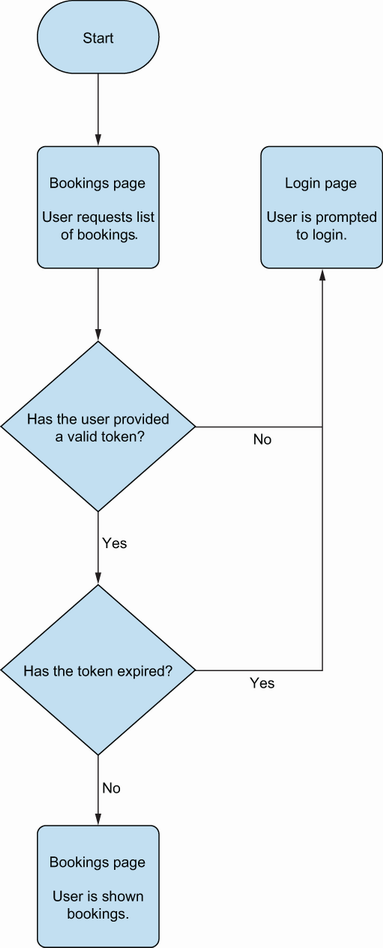
Use the user-flow diagram as a concrete model to reinterpret with different mental models and build focused prompts. section 5.3.2





