Project management
Project management is the discipline of planning, coordinating, organizing, and controlling work and resources to achieve defined project objectives within constraints.

Think Like a Software Engineering Manager
Project management is the planning, coordination, and control of work needed to deliver a defined project.
- How it is used
- Coordinates an engineering team’s planning, execution, and reflection so it can deliver shared project objectives despite changing circumstances.
- How deep it goes
- Works through planning and kickoff activities, execution responsibilities, and postexecution review, with templates for timelines and tracking rather than technical implementation detail.
- Examples
- Uses a working-backward timeline, a RACI matrix, a project tracker, and a dependency visualization to make coordination concrete.
- What you can do after
- Apply it via a project tracker such as Jira or Asana to monitor commitments, spot resource problems, and adjust priorities.
Read how Think Like a Software Engineering Manager explains project management →

AI for Everyday IT
Project management is the practice of planning, coordinating, and controlling work to achieve defined objectives.
- How it is used
- Uses project management as a workplace scenario for learning prompt engineering and producing practical deliverables.
- How deep it goes
- Lists planning and management principles through a basic chatbot response, without detailing how to implement them.
- Examples
- Uses a beginner’s question about being a good project manager and a chatbot response listing management principles.
- What you can do after
- Apply it via an AI chatbot to obtain initial project management guidance for a practical task.
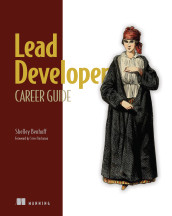
Lead Developer Career Guide
The discipline and process of planning, organizing, and controlling work to achieve defined project objectives.
- How it is used
- Coordinates objectives, timelines, resources, risks, and stakeholder communication in software projects.
- How deep it goes
- Defines plans through objectives, timelines, milestones, budgets, and progress reporting without detailing a specific methodology.
- Examples
- Uses changing priorities, development estimates, milestone tracking, and documentation of unfinished work as practical cases.
- What you can do after
- Apply project plans by aligning stakeholders, tracking progress, allocating resources, and addressing risks or problems promptly.
Read how Lead Developer Career Guide explains project management →
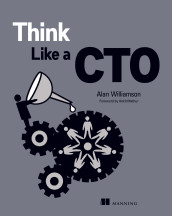
Think Like a CTO
Project management is the discipline of planning, coordinating, and controlling work to achieve defined project objectives.
- How it is used
- Keeps the CTO informed about development timelines and supplies evidence for corrective decisions.
- How deep it goes
- Details recurring coordination and forecasting responsibilities without prescribing a formal framework.
- Examples
- Uses drone flight correction and post-vacation ramp-up to illustrate adaptation and realistic scheduling.
- What you can do after
- Practice/perform it by tracking deliverables, revising deadline forecasts, coordinating handoffs, and reporting actionable risks.
Also covered in
What to know first
- budgetA budget is a planned allocation or limit on money or other resources for an activity, project, organization, or period.
- agile software developmentAgile software development is an iterative approach to developing software through incremental delivery, collaboration, feedback, and adaptation to change.
- deadlineA deadline is the latest specified time by which a task, operation, or obligation must or is expected to be completed.
- Gantt chartA Gantt chart is a project-planning visualization that displays activities, durations, sequencing, dependencies, or progress along a timeline.
Related concepts
- machine learning system designused by · Machine-learning system design is the practice of architecting, building, and evaluating production software systems whose behavior depends on models, data, and operational components.
- project planuses · A project plan is a documented specification of a project’s scope, activities, responsibilities, resources, schedule, dependencies, milestones, and intended outcomes.
- technical leadused by · A technical lead is a software engineer who provides technical ownership, direction, coordination, and guidance for a team or project.
- managementkind of · Management is the organizational function or practice of directing people, work, resources, and operations to achieve objectives.
Questions about project management
What is project management?
Project management is the discipline of planning, coordinating, organizing, and controlling work and resources to achieve defined project objectives within constraints.
Which Manning books explain project management?
Think Like a Software Engineering Manager, AI for Everyday IT, Lead Developer Career Guide and Think Like a CTO.
What should I know before learning project management?
Manning books that teach project management usually introduce budget, agile software development, deadline and Gantt chart first.
What is project management a kind of?
Project management is a kind of management. Management is the organizational function or practice of directing people, work, resources, and operations to achieve objectives.
These guides are generated from the text of Manning books by Manning's knowledge graph and link to the sections they draw on. The full books are available on liveBook and at manning.com.