liveBook · Manning

Working memory

As explained in Inside AI

Working memory is the component of an expert system that stores input data and intermediate facts produced during reasoning.

Working memory stores an expert system’s input data and tracks facts deduced during reasoning. It connects the knowledge base with the inference engine without containing the domain rules itself. section 2.1

During an inference cycle, working memory:

  • Holds initial observations and other input data. section 2.1
  • Receives new facts generated when rules match its current contents. section 2.1
  • Tracks modified facts while reasoning continues or stops when no rule can trigger. section 2.1

MYCIN

MYCIN used information about bacterial organisms, infection sites, and clinical signs such as fever or headache as inputs for rule-based diagnosis. section 2.1

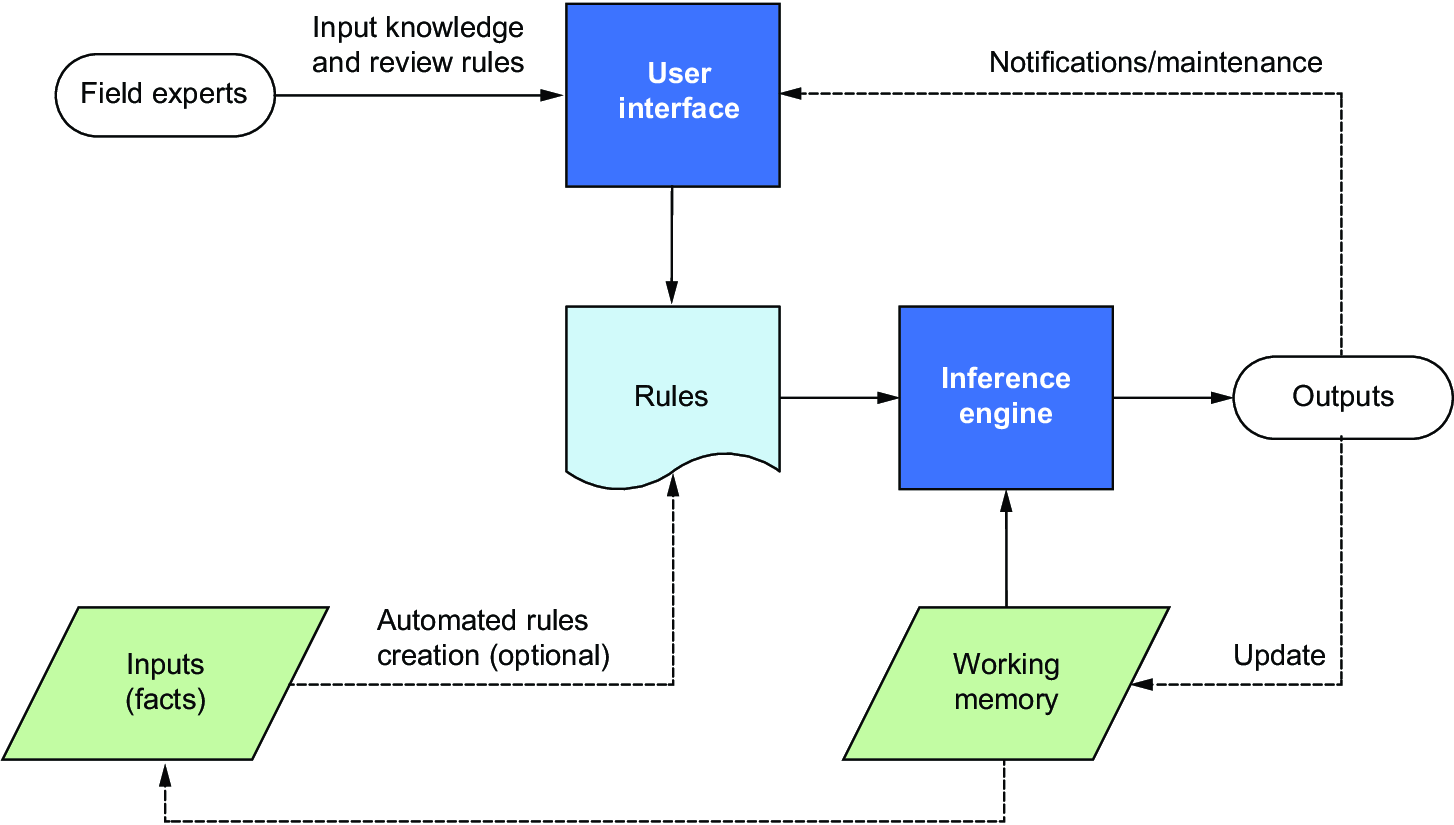
Figure 2.1 Flowchart of an expert system
figure

Follow the flowchart to see how working memory participates in the exchange between inputs, rules, and inference. section 2.1


How Inside AI covers it

How deep it goes
Explains stored inputs, generated facts, rule cycles, and the no-trigger stopping condition without implementation details.
Examples
Uses gardening expertise and MYCIN’s bacterial-diagnosis inputs to illustrate expert-system reasoning.
What it assumes
Assumes familiarity with neither programming nor expert systems, defining the three modules through a concrete domain example.
What you can do after
Evaluate how facts move through a rule-based expert system during inference.
How it connects
Connects working memory with knowledge bases, inference engines, rules, and expert systems.

Also explained in

Compare how 7 books explain working memory →

Related concepts

This explainer was generated by Manning's knowledge graph from the text of Inside AI. The section links point to the parts of the book it draws on.




