liveBook · Manning

Tool usage

As explained in Investing for Programmers

A tool use pattern is an agent architecture in which an agent delegates tasks to external tools, libraries, or APIs and integrates their results.

Tool use equips an agent to delegate specialized tasks to external tools, libraries, or APIs, then integrate their results into broader decision-making. This keeps the agent modular instead of forcing it to recreate every capability internally. section 9.1.2

A tool-using agent can:

  • Retrieve real-time stock data through a price API. section 9.1.2
  • Invoke sentiment analysis to interpret market news. section 9.1.2
  • Identify an appropriate tool, orchestrate calls, and combine the returned results. section 9.1.2
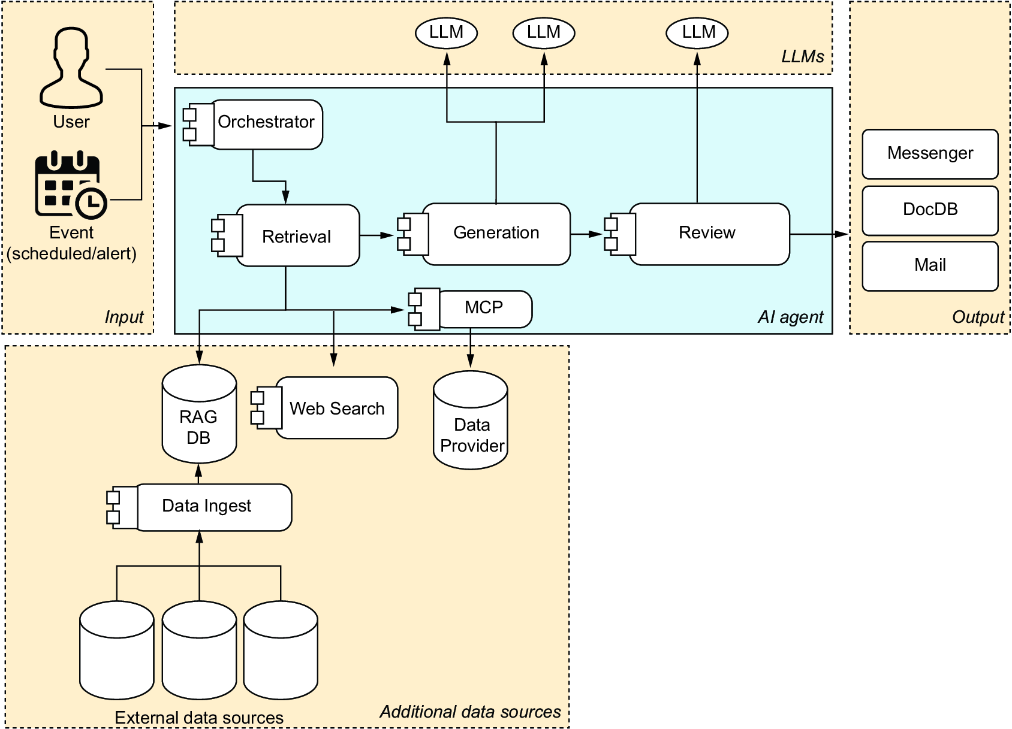
Figure 9.1 A reference workflow for an AI agent
figure

Use the reference workflow to visualize how an agent coordinates external calls and incorporates their results. section 9.1.2


How Investing for Programmers covers it

How deep it goes
Defines the delegation pattern and outlines tool selection, call orchestration, and result integration without implementation details.
Examples
Uses a stock price API for real-time data and a sentiment analysis tool for market news.
What you can do after
Apply it by orchestrating specialized tools and integrating their outputs into an agent’s decisions.
How it connects
Ties tool use to agentic design patterns, data retrieval, data transformation, advanced computation, and sentiment analysis.

Also explained in

Compare how 13 books explain tool usage →

Related concepts

This explainer was generated by Manning's knowledge graph from the text of Investing for Programmers. The section links point to the parts of the book it draws on.










