Web search retrieves current information from multiple public web pages and combines it with an AI assistant’s existing knowledge. Citations let you verify claims and investigate sources instead of accepting generated answers automatically. section 2.1.1 section 1.6.3
Use web search for practical research tasks such as:
- Checking current package versions, GitHub Actions, API versions, and deprecated npm packages before coding. section 2.1.1
- Finding exchange rates, per diem rates, and subscription fees for business calculations. section 2.1.1
- Breaking large verification jobs into smaller groups, such as checking three dependencies at a time rather than twenty. section 2.1.1
Keeping technical research current
Before asking an AI coding assistant to work, use ChatGPT’s web search to research the latest package versions and supply the cited findings to the coding tool. Review the citations and divide multi-package checks into smaller requests to reduce verification errors. section 2.1.1
Figure 1.5 Citation prompt in ChatGPT
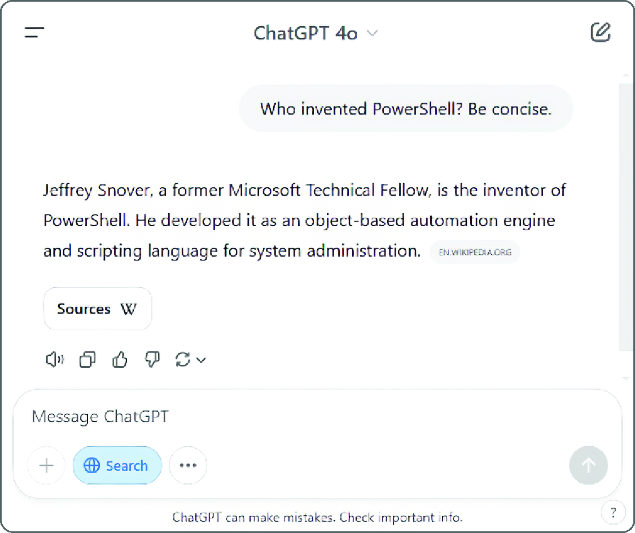
A citation prompt illustrates how web search can attach sources to an AI response. section 1.6.3
Figure 2.4 Gemini’s web search interface
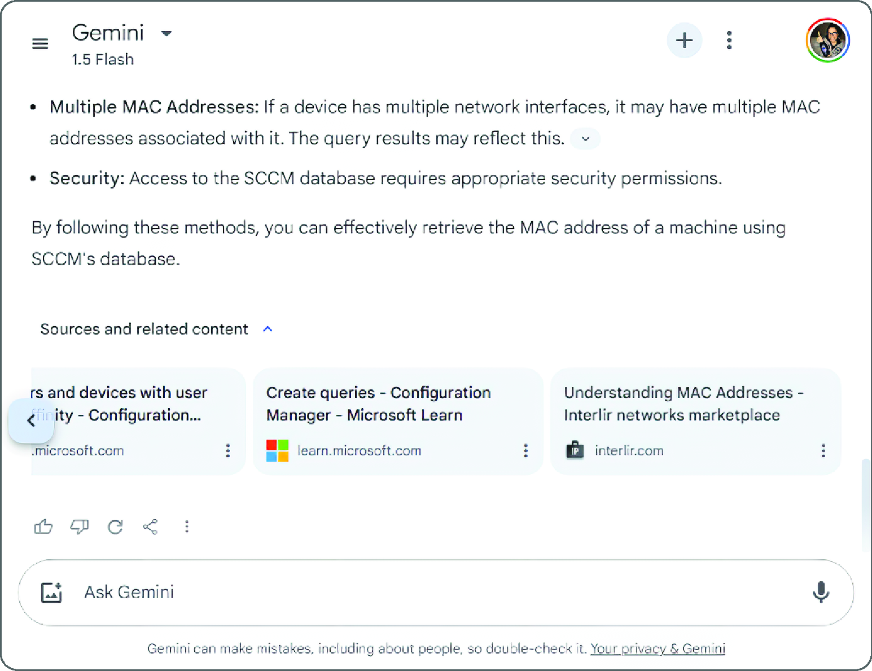
A search interface illustrates how Gemini searches Google’s index and summarizes current results inside the chat. section 2.1.3




