liveBook · Manning

Conditional probability

As explained in Inside AI

Conditional probability is the probability of an event given that another event or condition is known to have occurred.

Conditional probability measures how likely an event is when another event or condition is known. Bayes’ theorem uses it to update beliefs from new evidence. section 3.5

Weather prediction

In a Bayesian network, clouds can influence rain. If clouds are present, rain might have a 30% chance; without clouds, it might have a 5% chance. The model combines these dependencies to evaluate possible weather scenarios. section 3.5

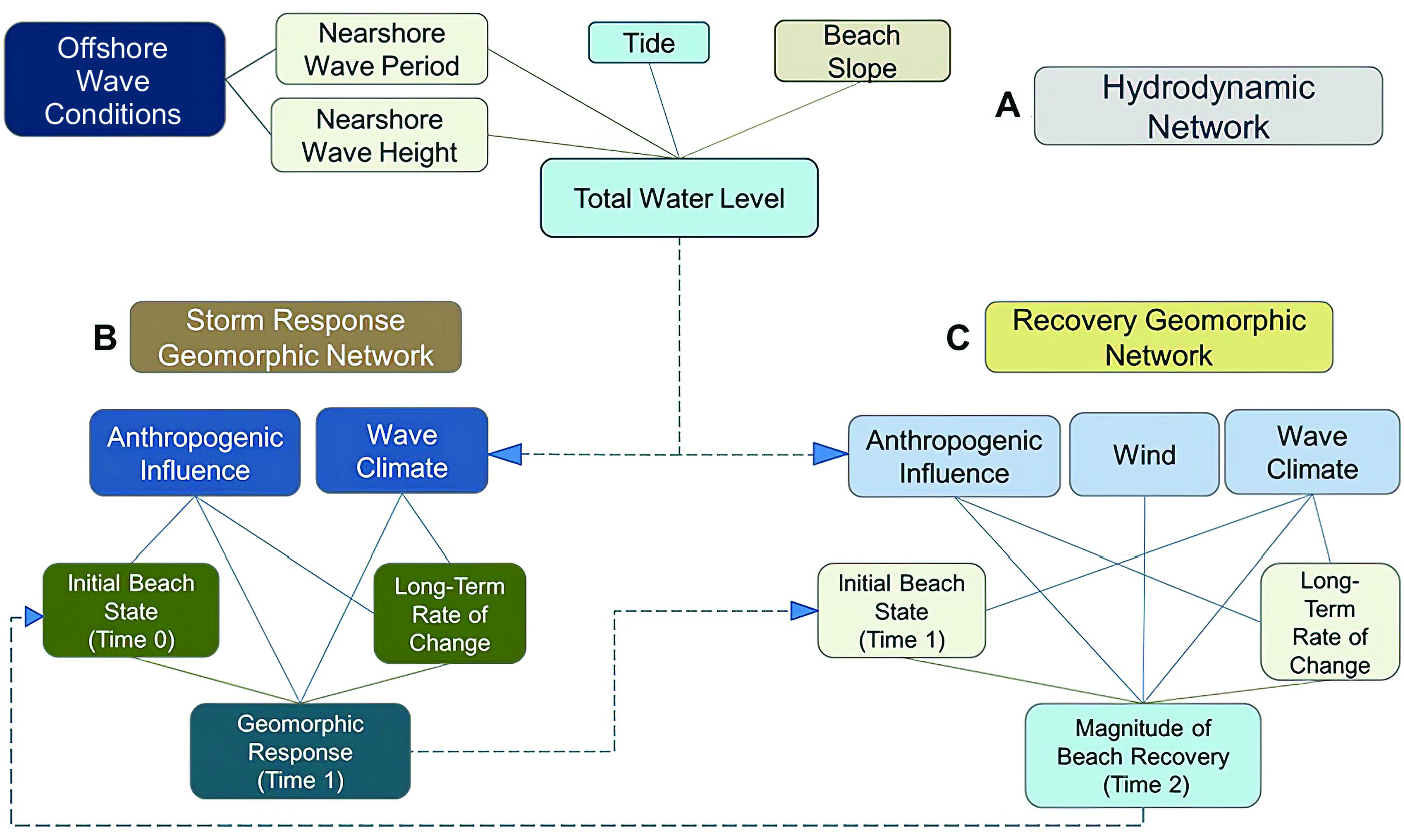
Figure 3.5 An example of a Bayesian network
figure

Use the Bayesian network diagram to see variables as nodes and conditional dependencies as directed edges. section 3.5


How Inside AI covers it

How deep it goes
Defines conditional probability through Bayes’ theorem and connects it to Bayesian networks without developing deeper implementation detail.
Examples
Uses clouds and rain, with different rain probabilities depending on whether clouds are present.
What you can do after
Evaluate probabilistic dependencies and understand how new evidence changes an event’s likelihood.
How it connects
Connects conditional probability with Bayes’ theorem, Bayesian networks, probabilistic models, and directed acyclic graphs.

Also explained in

Compare how 11 books explain conditional probability →

Related concepts

This explainer was generated by Manning's knowledge graph from the text of Inside AI. The section links point to the parts of the book it draws on.








