Empathy means seeing a situation from another person’s point of view and understanding their feelings. For a lead developer, it turns that understanding into a more thoughtful response: listening before deciding, acknowledging concerns, and offering support that fits the person and the situation. It is part of emotional intelligence and helps build trust, communicate well, and resolve conflict. section 11.3.1 section 3.1.2
Practice empathy in everyday conversations:
- Ask how someone views a task or conflict—and how they feel about it. Listen without judgment, acknowledge what you hear, and ask questions rather than assuming you know the cause. section 3.1.3 section 11.1.2
- Adapt feedback to the person. Personalities and cultures differ; a remark intended as a joke or helpful criticism may land differently than expected. section 3.4.3
- Watch workloads and pressures outside work. Regular one-on-ones can reveal concerns, but support and flexibility matter more than expecting someone to share personal details. section 3.1.3
- When a conversation is difficult, state your intent to solve the problem rather than assign blame. Follow up patiently, recognize progress, and offer guidance if someone is still struggling. section 11.4.1 section 11.4.3
Empathy is not a substitute for working through constraints. A client with a tight deadline still needs a feasible plan, and a frustrated teammate still needs a decision. Understanding their concerns helps you make that plan together rather than dismissing the concern or promising what cannot be delivered. section 8.3.2 section 11.1.2
A frustrated client
A client is unhappy with progress and expects a strict timeline. Let them explain, paraphrase their concern, and ask what expectations they face. Acknowledge the project’s importance, then work together on a viable solution within its scope and constraints. Staying calm makes it easier to find the source of the frustration without escalating it. section 8.4.2 section 8.4.1
In mentoring, empathy means learning a mentee’s strengths, gaps, and aspirations before giving advice. Dismissing concerns or pushing your own agenda can make guidance harmful. The same perspective-taking can extend to software users: ask what would make a task easier, walk through test cases in their role, and consider the experience beyond stated requirements. section 9.1 section 11.6.1
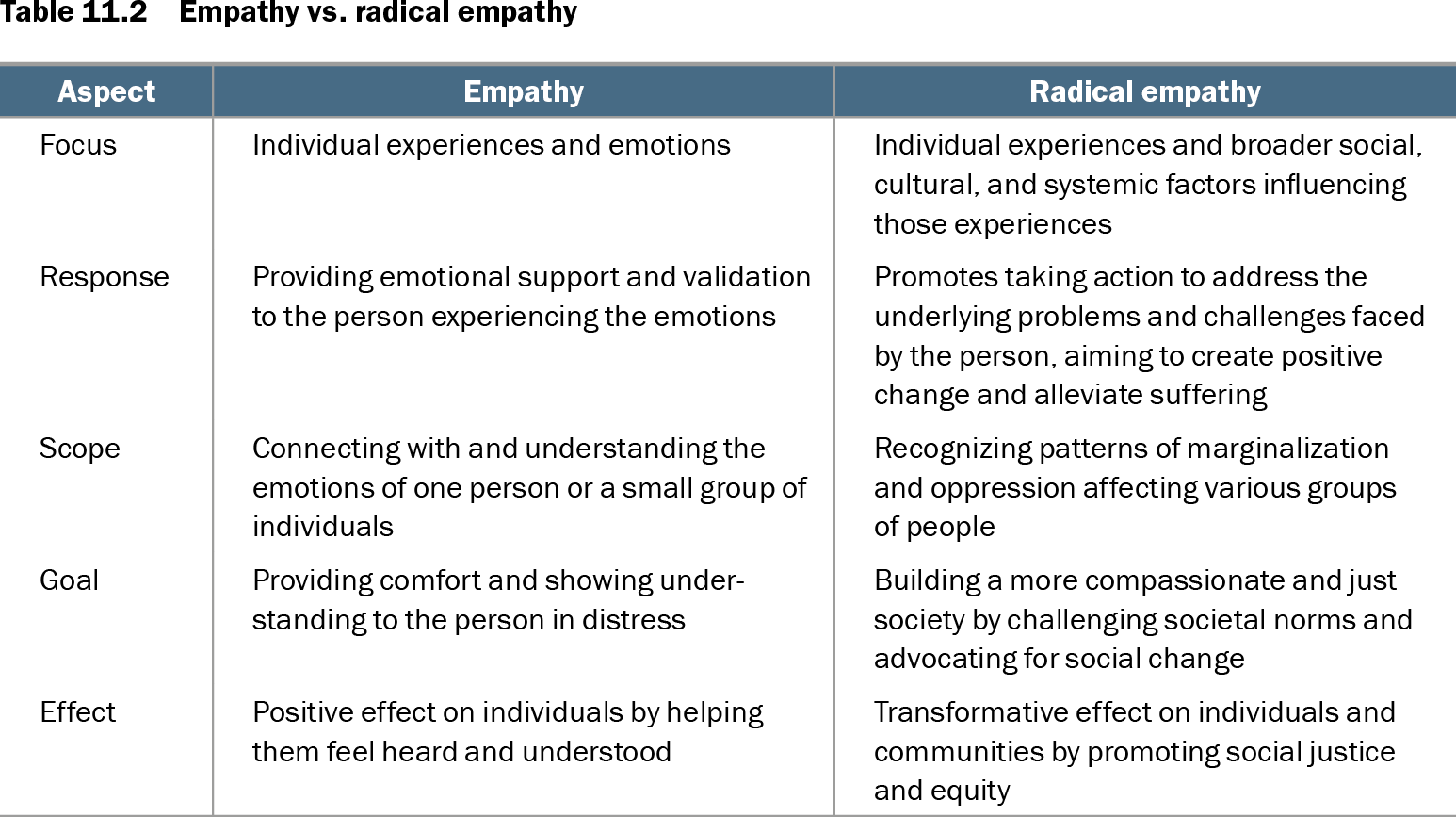
Table 11.2 Empathy vs. radical empathy (view table figure)
| Aspect |
Empathy |
Radical empathy |
|---|---|---|
| Focus |
Individual experiences and emotions |
Individual experiences and broader social, cultural, and systemic factors influencing those experiences |
| Response |
Providing emotional support and validation to the person experiencing the emotions |
Promotes taking action to address the underlying problems and challenges faced by the person, aiming to create positive change and alleviate suffering |
| Scope |
Connecting with and understanding the emotions of one person or a small group of individuals |
Recognizing patterns of marginalization and oppression affecting various groups of people |
| Goal |
Providing comfort and showing understanding to the person in distress |
Building a more compassionate and just society by challenging societal norms and advocating for social change |
| Effect |
Positive effect on individuals by helping them feel heard and understood |
Transformative effect on individuals and communities by promoting social justice and equity |
Compare empathy, which focuses on understanding and supporting a person, with radical empathy, which also considers social, cultural, and systemic factors and seeks to address underlying problems. section 11.3.1
Start by asking what you have not yet understood. Then let the answer change how you listen, give feedback, make decisions, or offer help. section 3.1.3 section 11.2.2