liveBook · Manning

Facilitation

As explained in Architecture Modernization: Socio-technical alignment of software, strategy, and structure

Facilitating is an interaction mode in which one team temporarily supports another team's goal through focused assistance or skill development.

Facilitation is a temporary interaction mode in which one team supports another team’s goal through focused assistance or skill development. Any team can adopt it, for example when an urgent deadline requires a short-term shift in focus. section 11.2.2

Effective facilitation makes knowledge available to the whole group rather than treating questions as a way for one person to gather information. In process modeling, collaborative rules can reduce competition and help stakeholders work toward shared agreement. section 8.4.3

Use questions to open useful conversations:

  • Ask how many people perform or assume a role to understand the scale of an opportunity. section 8.4.3
  • Ask how many roles one person can play to expose wasted expertise and opportunities for greater productivity. section 8.4.3
  • In process modeling, complete every path, preserve the color grammar, address every possible hotspot, and seek reasonable stakeholder satisfaction. section 8.4.3

Learning mob programming

One team adopted mob programming, observed a clear benefit, and then temporarily helped other teams learn and apply the technique. The relationship focused on skill transfer rather than permanent dependency. section 11.2.2
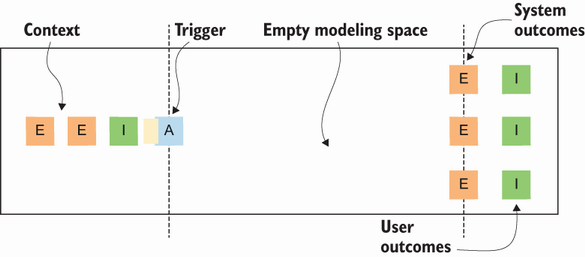
Figure 8.7 Preparing the board for a process modeling EventStorming session

Use the prepared board as a visual anchor for a process-modeling EventStorming session. section 8.4.3
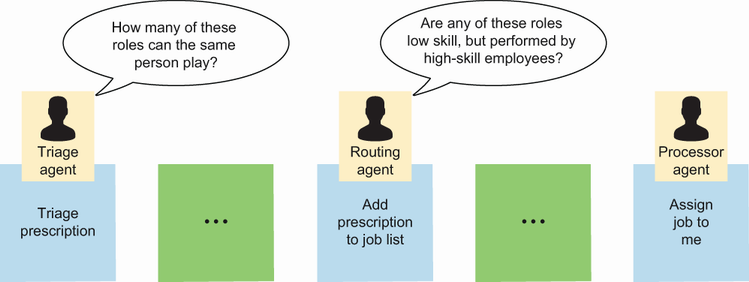
Figure 8.8 Asking questions about people in the domain to unlock valuable conversations

Use the people-and-roles question map to prompt conversations about scale, responsibility, and productive work. section 8.4.3


How Architecture Modernization: Socio-technical alignment of software, strategy, and structure covers it

How deep it goes
Explains the interaction mode, questioning principle, process-modeling rules, and upskilling example without prescribing a rigid facilitation recipe.
Examples
Uses urgent deadlines, mob-programming upskilling, EventStorming, role-count questions, and process-modeling rules as concrete examples.
What it assumes
Assumes stakeholders with differing interests and opinions, while teaching questions as a way to distribute knowledge and improve conversations.
What you can do after
Practice/perform facilitation by asking group-opening questions and guiding collaborative process modeling or cross-team skill development.
How it connects
Connects facilitation with enabling teams, collaboration, X-as-a-service, EventStorming, process modeling, and mob programming.

Also explained in

Compare how 3 books explain facilitation →

Related concepts

This explainer was generated by Manning's knowledge graph from the text of Architecture Modernization: Socio-technical alignment of software, strategy, and structure. The section links point to the parts of the book it draws on.
