liveBook · Manning

Machine translation

As explained in Data Analysis with LLMs

Translation is the conversion of content from a source language into an equivalent target language.

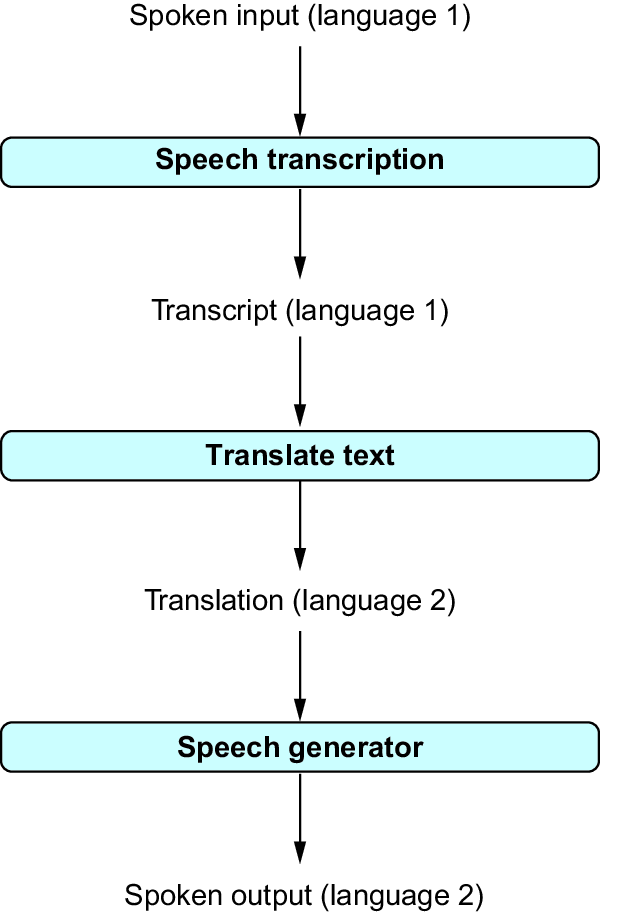
Machine translation converts content from a source language into an equivalent target language. In a voice translator, spoken input is transcribed, translated as text, then generated as speech. The target language can be specified in the prompt, including a dialect or style. section 7.4 section 7.4.1 section 7.4.3

Figure 7.2 Our translator tool records spoken input in a first language, transcribes input to text, trans- lates that text into a second language, and finally generates spoken output.
figure

Follow the stages from recorded speech through transcription and text translation to spoken output. section 7.4.1

From French to Shakespearean English

A spoken greeting can be translated into French for colleagues in Paris. The same tool can take English speech and produce a polished Shakespearean-style version by changing the target-language prompt. section 7.4.4


How Data Analysis with LLMs covers it

How deep it goes
Traces transcription, prompt-based text translation, and speech generation through a working Python implementation.
Examples
Uses spoken English translated into French and English recast in a Shakespearean style.
What it assumes
Assumes spoken input can be recorded and delegates source-language identification to the model rather than requiring users to specify it.
What you can do after
Operate a speech translator by recording input and supplying a target language or style.
How it connects
Connects machine translation with speech recognition, speech synthesis, transcription, and prompt design.

Also explained in

Compare how 8 books explain machine translation →

Related concepts

This explainer was generated by Manning's knowledge graph from the text of Data Analysis with LLMs. The section links point to the parts of the book it draws on.





