Natural language processing (NLP) combines linguistics, computer science, and artificial intelligence to help computers understand, interpret, and generate human language. Systems process text, identify patterns, and produce meaningful outputs. section 2.4
NLP supports tasks such as:
- Sentiment analysis, machine translation, and text summarization. section 2.4
- Tokenization, which breaks text into words, punctuation, or phrases that systems can process and analyze. section 2.4
- Pattern analysis involving word frequency, word types, word co-occurrence, and text classification for tasks such as spam detection. section 2.4
A small NLP project
A document-analysis application can use NLP to analyze and count words. Tokenizing the document creates processable chunks, while frequency analysis shows which words occur most or least often. Chatbots and virtual assistants apply related language-processing capabilities to understand requests and produce human-like text. section 2.3 section 2.4
Figure 2.11 Word-based tokenization breaks whole words and punctuation into chunks that can be processed and analyzed.
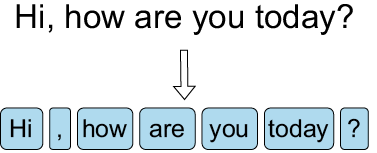
Word-based tokenization divides whole words and punctuation into identifiable chunks for processing and analysis. section 2.4














