liveBook · Manning

Migration

As explained in Architecture Modernization: Socio-technical alignment of software, strategy, and structure

ETL is a data-integration process that extracts data, transforms it, and then loads it into a target system.

Migration moves a subsystem from its current state toward a target architecture while balancing modernization effort, business value, and organizational dependencies. A subsystem may be a microservice, a monolith module, or another architectural unit. section 12.0 section 12.4

A migration strategy considers:

  • Whether to run old and new versions in parallel during the transition. section 12.4
  • Whether full rewriting is worth its return on investment and cost of delay. section 12.4
  • How subsystem boundaries align with domains, value streams, and team structures. section 12.0

In data engineering, ETL—extract, transform, and load—is a pipeline-based integration approach. ETL pipelines can become expensive to maintain when centralized ingestion and consumption grow complex, limiting capacity for new development. section 14.1.1
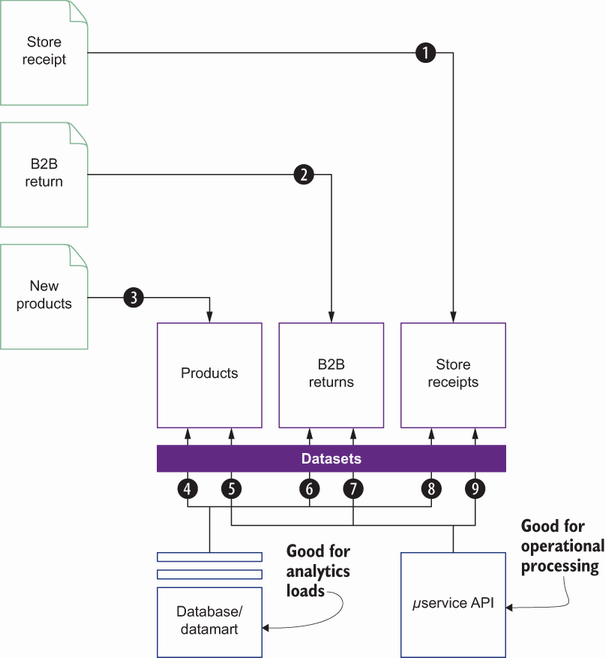
Figure 14.3 Getting data from a data lake is not as easy as you would like.

Use the data-lake diagram to inspect how simplified ingestion can still produce complicated downstream access paths. section 14.1.1


How Architecture Modernization: Socio-technical alignment of software, strategy, and structure covers it

How deep it goes
Explains investment choices, parallel operation, target alignment, and roadmap needs without prescribing implementation details.
Examples
Uses parallel old and new versions, subsystem rewrites, and ETL pipelines serving data warehouses and data lakes.
What it assumes
Assumes architectural systems and organizational dependencies while introducing subsystems as microservices, monolith modules, or other units.
What you can do after
Evaluate modernization investments and choose migration strategies that balance business value, return on investment, and cost of delay.
How it connects
Connects migration with loose coupling, software architecture, subdomains, value streams, team structures, and legacy systems.

Also explained in

Compare how 19 books explain migration →

Related concepts

This explainer was generated by Manning's knowledge graph from the text of Architecture Modernization: Socio-technical alignment of software, strategy, and structure. The section links point to the parts of the book it draws on.
















