liveBook · Manning

Normalization

As explained in Delivering Machine Learning Projects: From design to deployment

Normalization is the transformation of data values into a consistent scale, unit, or representation so that they can be compared or combined appropriately.

Normalization transforms values into a consistent scale, unit, or representation so that data can be compared or combined appropriately. In data preparation, currency normalization must account for duplicates and produce aggregates that remain plausible against external revenue figures. section 6.6.2 section 8.3.2

Use normalization as an explicit data-quality and evaluation task:

  • Check whether conversions and normalized values align with reported business revenues. section 6.6.2
  • Separate deduplication from normalization, then inspect aggregate results after both treatments. section 6.6.2
  • Question whether normalization makes populations or tests genuinely comparable before combining their information. section 8.3.2

Currency-normalized sales

A naïve normalization produced implausible aggregate sales. After deduplication and a well-designed currency-normalization process, the totals closely matched published revenue figures, with deltas around 0.1%. section 6.6.2

Figure 6.8 The same data treated for duplicates with a well-designed currency normalization process
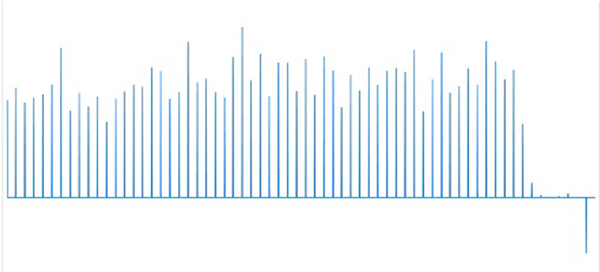
Compare naïve normalization with a duplicate-treated dataset using a well-designed currency-normalization process. section 6.6.2


How Delivering Machine Learning Projects: From design to deployment covers it

How deep it goes
Explains normalization through data checks and comparison cautions, but stops short of specifying transformation formulas or implementation details.
Examples
Uses aggregate sales, published revenues, multi-country populations, economies, demographics, and epidemic or vaccine comparisons.
What it assumes
Assumes access to source data, reported revenues, and contextual knowledge of market or test populations.
What you can do after
Diagnose/debug with it by checking normalized aggregates against business figures and questioning unsafe direct comparisons.
How it connects
Connects normalization with exploratory data analysis, currency conversion, deduplication, bias, distributions, and comparable testing.

Also explained in

Compare how 21 books explain normalization →

Related concepts

This explainer was generated by Manning's knowledge graph from the text of Delivering Machine Learning Projects: From design to deployment. The section links point to the parts of the book it draws on.


















