liveBook · Manning

Dependency

As explained in Architecture Modernization: Socio-technical alignment of software, strategy, and structure

A dependency is a reliance in which one software, organizational, or architectural element requires another to function or change successfully.

A dependency is a reliance in which one software, organizational, or architectural element requires another to function or change successfully. Changing one component can affect connected components, so dependencies shape both technical evolution and team flow. section 5.4.2 section 11.0

Useful questions for examining a dependency include:

  • Does it slow a team’s rate of change or require teams to synchronize code, decisions, or deployments? section 11.0 section 10.1.1
  • As one component evolves, what new products, practices, or sources of value become possible? section 5.4.2
  • Would changing boundaries remove the dependency, or would it merely relocate an unresolved coordination or priority problem? section 11.4.2

When a dependency makes teams awkward

A logistics company launched a second product that depended on its established product. The new-product team needed rapid experimentation, while the established-product team prioritized stability for a large customer base. Daily requests created friction because neither team could meet its goals independently. The practical response was to clarify company priorities, agree where compromise was acceptable, and reward both teams for the overall outcome before considering boundary changes. section 11.4.2
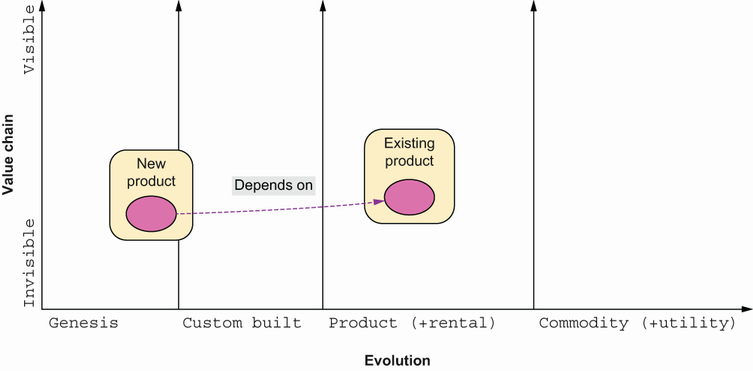
Figure 11.9 New product depends on the existing product.

Use the dependency diagram to inspect how a new product relies on an existing product and why the interaction becomes awkward. section 11.4.2


How Architecture Modernization: Socio-technical alignment of software, strategy, and structure covers it

How deep it goes
Explains dependency effects through coevolution and team examples, but stops short of prescribing a universal restructuring method.
Examples
Illustrates dependencies through self-scanning checkouts, remote collaboration, higher-order systems, and a logistics company’s multiproduct teams.
What it assumes
Assumes familiarity with components and teams while treating independent value streams and dependency costs as practical design concerns.
What you can do after
Diagnose/debug with it: identify costly dependencies, clarify shared priorities, and test whether boundary changes improve team flow.
How it connects
Connects dependencies with Wardley Maps, value chains, value streams, Team Topologies, domain boundaries, and strategic IT.

Also explained in

Compare how 27 books explain dependency →

Related concepts

This explainer was generated by Manning's knowledge graph from the text of Architecture Modernization: Socio-technical alignment of software, strategy, and structure. The section links point to the parts of the book it draws on.
























