liveBook · Manning

Deep learning

As explained in Effective Data Analysis

Deep learning is a machine-learning approach that uses multilayered neural networks to learn representations and patterns from data.

Deep learning uses neural networks within AI systems to learn patterns from large datasets and support automated decisions or tasks. section 8.2.2

Deep learning can support:

  • Automating repetitive work that would otherwise require human judgment. section 8.2.2
  • Categorizing customer support tickets by priority and type. section 8.2.2
  • Identifying bias risks when training data contains human biases. section 8.2.2
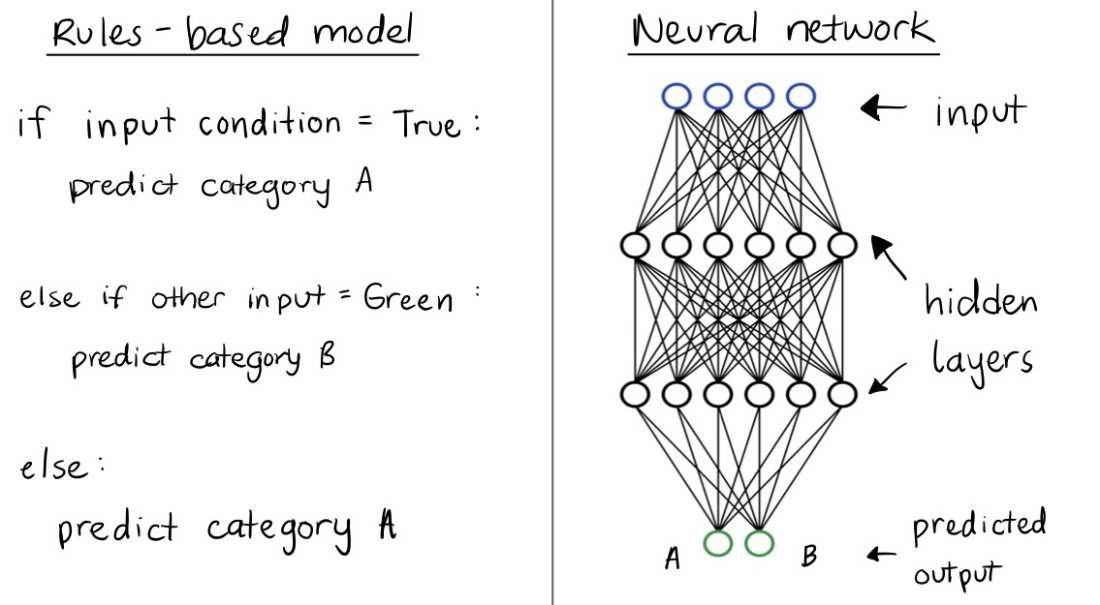
Figure 8.4 An automated system for categorizing data can employ anything from simple rules to sophisticated machine learning algorithms.
figure

Compare simple rules with sophisticated machine-learning algorithms used for automated categorization. section 8.2.2


How Effective Data Analysis covers it

How deep it goes
Defines pattern-based automation and illustrates it with ticket categorization, but stops short of training or implementation details.
Examples
Uses automated support-ticket categorization by priority and type as its concrete example.
What you can do after
Evaluate automated categorization systems for efficiency gains and potential bias in their data-driven decisions.
How it connects
Connects neural networks with artificial intelligence, machine learning, algorithms, automated systems, and bias.

Also explained in

Compare how 11 books explain deep learning →

Related concepts

This explainer was generated by Manning's knowledge graph from the text of Effective Data Analysis. The section links point to the parts of the book it draws on.








