liveBook · Manning

Hallucination

As explained in Grokking AI Applications

An incorrect or nonsensical output generated by a language model, often because of insufficient context or vague instructions.

A hallucination is incorrect or nonsensical information generated by a language model. Insufficient context and vague prompts make this more likely because the model produces probabilistic responses. section 3.1

Too little or too much context

A very short prompt may leave the model without enough context, causing it to invent information or wander off topic. An overloaded prompt can also reduce quality when important instructions become unclear. section 3.1

Reduce hallucinations by:

  • Providing necessary context with clear, structured instructions. section 3.1
  • Adding verification layers or integrated external checks. section 3.1
  • Avoiding unnecessary prompt length, since excessively long prompts can degrade response quality. section 3.1
Figure 3.1 Like pirates, GenAI can also suffer from hallucinations.
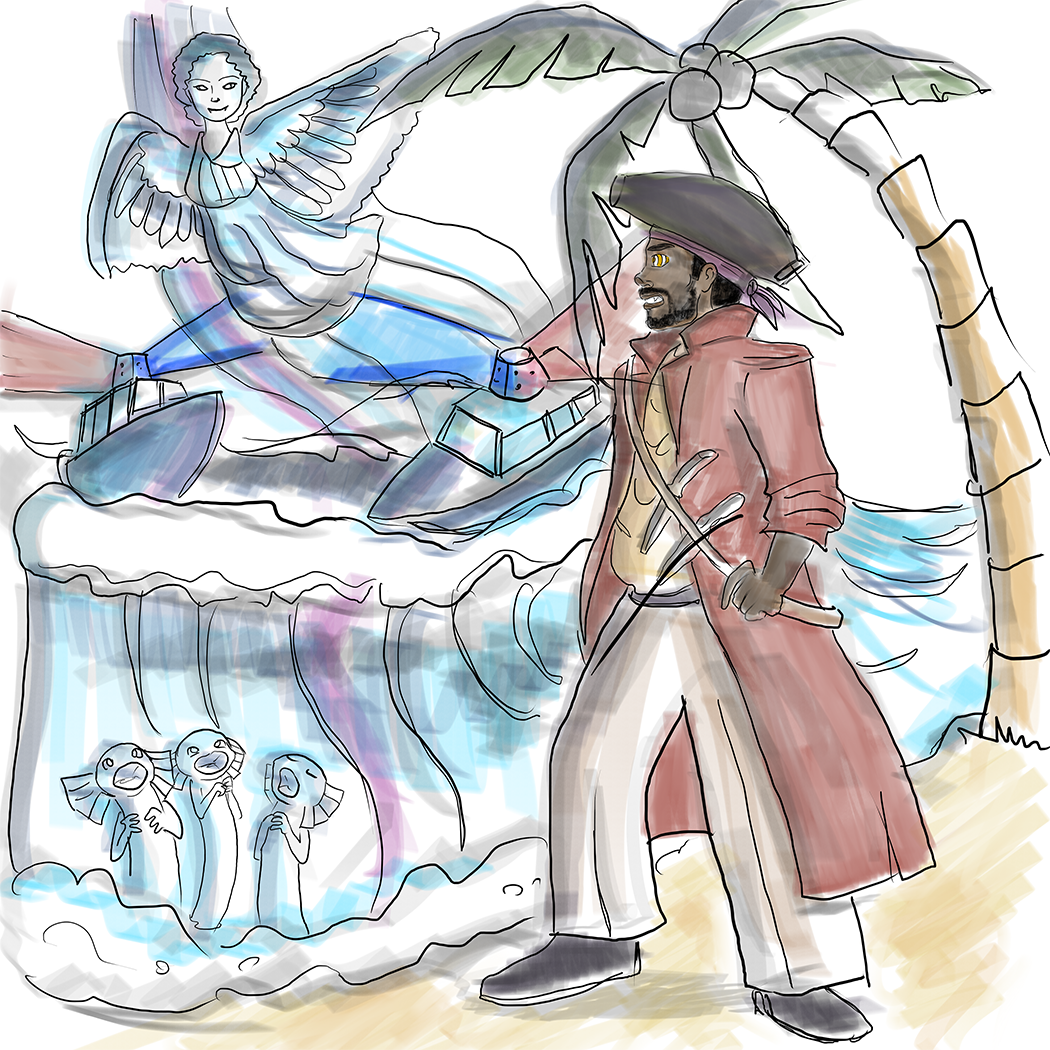
Use the illustration as a memorable visual metaphor for generated misinformation. section 3.1


How Grokking AI Applications covers it

How deep it goes
Defines causes and practical mitigations, but stops short of explaining model internals.
Examples
Contrasts underspecified prompts with overloaded prompts and uses a colleague analogy plus a pirate illustration.
What you can do after
Apply prompt engineering and verification checks to reduce, but not eliminate, hallucinations.
How it connects
Connects hallucination with prompt engineering, context windows, verification layers, and external checks.

Also explained in

Compare how 29 books explain hallucination →

Related concepts

This explainer was generated by Manning's knowledge graph from the text of Grokking AI Applications. The section links point to the parts of the book it draws on.


























