liveBook · Manning

User experience

As explained in Architecting Accessibility

User experience is a person's overall perceptions and responses resulting from interacting with a product or system.

A good user experience lets people achieve their goals without barriers. Accessibility depends on decisions across the product lifecycle, from planning and design through implementation, testing, content, and support. section 1.2

Figure 1.1 Accessibility affects nearly every aspect of software development, from planning and design to post-launch content management and support. Everyone has a responsibility to ensure users can actually access content and functionality.
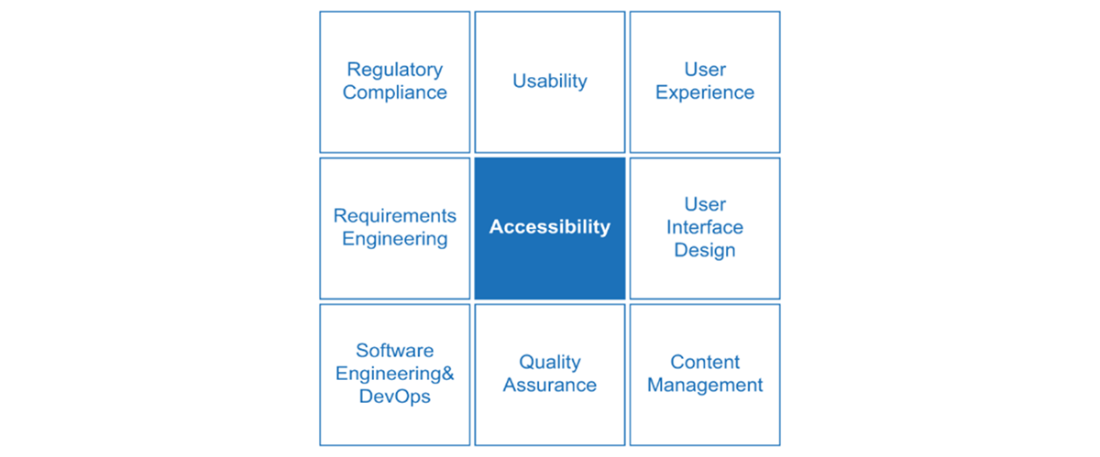
See how accessibility responsibilities span product planning, design, development, and post-launch work. section 1.2

How Architecting Accessibility covers it

How deep it goes
Connects user experience to team roles and lifecycle decisions, without detailing specific interaction methods.
What you can do after
Evaluate product decisions for whether they reduce barriers and help users achieve their goals.
How it connects
Links user experience with accessibility, technical debt, and product lifecycle decisions.

Also explained in

Compare how 13 books explain user experience →

Related concepts

This explainer was generated by Manning's knowledge graph from the text of Architecting Accessibility. The section links point to the parts of the book it draws on.










