liveBook · Manning

Training

As explained in LLMs in Production

Training is the process of optimizing a machine-learning model's parameters from data so it learns a desired behavior or capability.

Training adjusts a model using data to develop a desired capability. Clean data matters: implementing Llama 3 illustrates the work involved, but limited data and GPUs constrain the result. section 9.1

Training also affects how much control an organization has over its model:

  • Using a service can limit choices about training methods, deployment regions, and infrastructure; managing the solution directly preserves more options for addressing problems. section 1.2.2
  • For a game studio facing harmful model behavior, fixing the model may be a more substantive response than covering up its effects. section 1.2.2
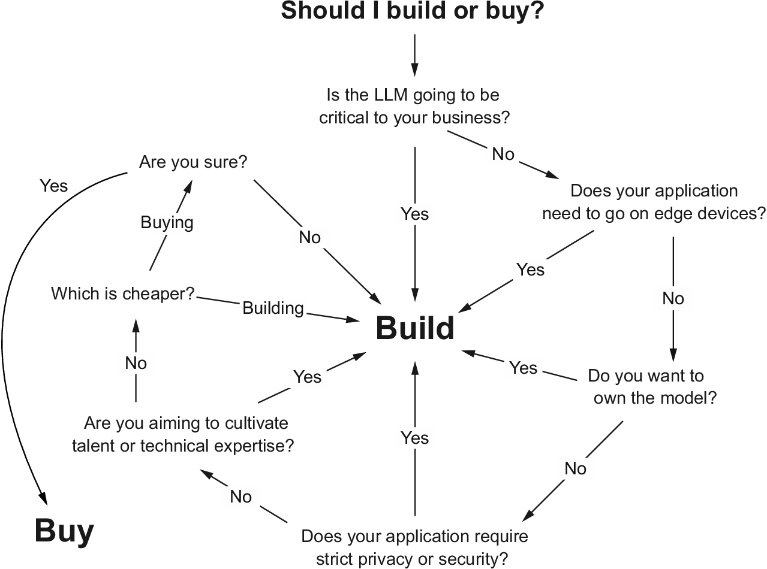
Figure 1.1 Questions you should ask yourself before making that build-vs.-buy decision
figure

Use the build-versus-buy questions to consider whether controlling training methods and infrastructure matters for your use case. section 1.2.2


How LLMs in Production covers it

How deep it goes
Connects training to data quality and resource limits, without detailing optimization mechanics.
Examples
Uses a Llama 3 implementation and a game studio seeking to fix model behavior.
What you can do after
Build and productionize a modest model while recognizing the limits imposed by data and GPU resources.
How it connects
Ties training to fine-tuning, data quality, deployment, and infrastructure.

Also explained in

Compare how 24 books explain training →

Related concepts

This explainer was generated by Manning's knowledge graph from the text of LLMs in Production. The section links point to the parts of the book it draws on.




















