liveBook · Manning

Continuous improvement

As explained in Grokking AI Algorithms, Second Edition

A feedback loop is a recurring process in which the consequences of actions provide signals that influence subsequent actions or behavior.

A feedback loop uses the consequences of an action to guide what happens next. Signals such as rewards, penalties, or changes in body data can encourage different choices over time. section 1.30 section 10.2

Adjusting a workout

Wearables track signals such as heart-rate variability, blood oxygen, and sleep. An AI model can use those signals to adjust workout intensity or suggest recovery when it detects fatigue. section 1.30

Learning through rewards

A dog that receives a treat after sitting is more likely to repeat the action. In reinforcement learning, rewards encourage actions and penalties discourage them; choices are judged by their longer-term consequences, not only their immediate payoff. section 10.2 section 10.2

Figure 1.10 Using sensors and AI to guide fitness and health
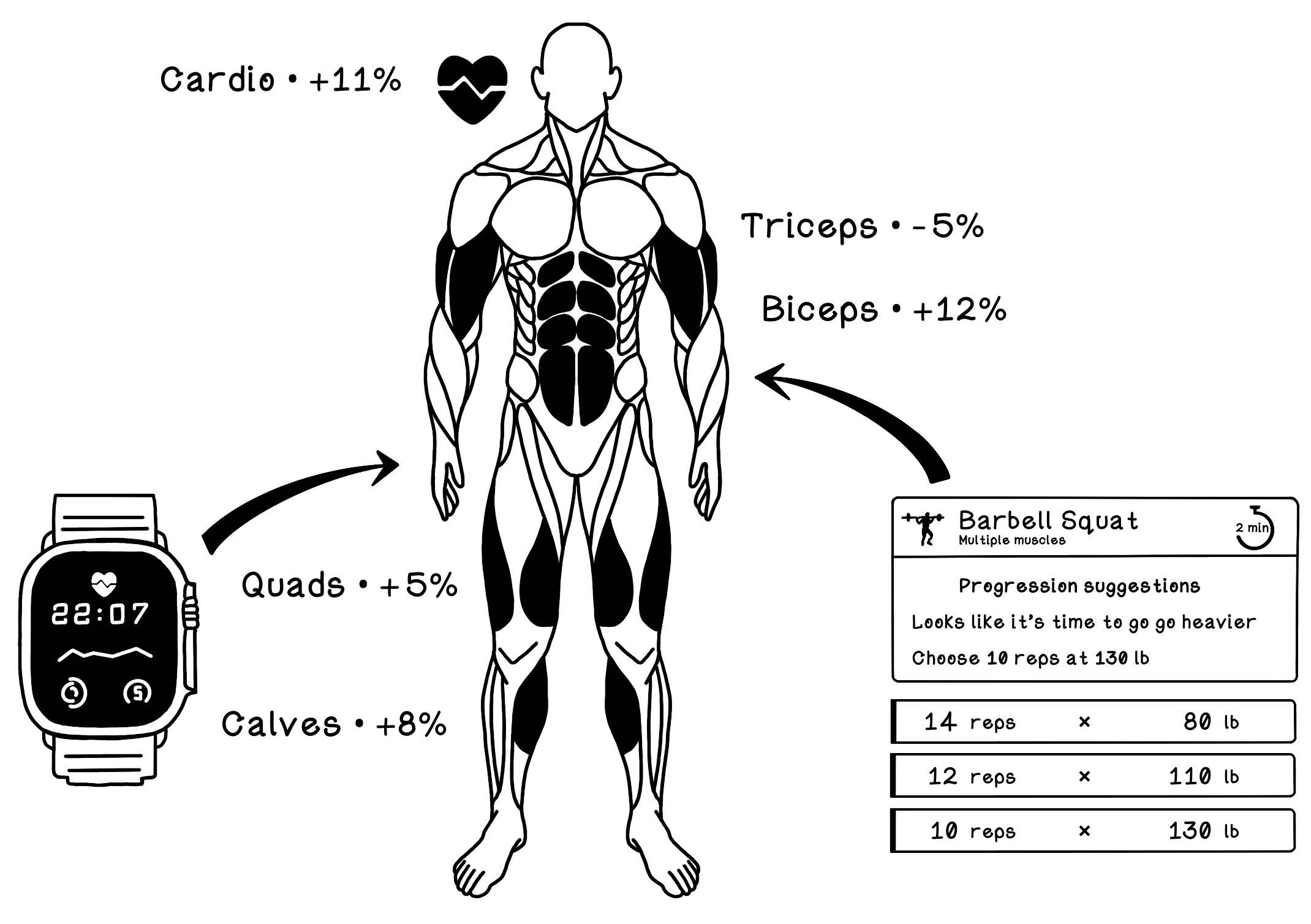
The figure illustrates how sensor data and AI can guide fitness and health decisions. section 1.30


How Grokking AI Algorithms, Second Edition covers it

How deep it goes
Explains sensor-driven workout adjustment and reward-based learning, then connects actions to long-term consequences.
Examples
Uses wearable-guided training, dog-sit rewards, animal trial and error, and chocolate's short- versus long-term effects.
What you can do after
Understand how rewards, penalties, and body signals can shape later actions toward longer-term goals.
How it connects
Connects feedback loops to reinforcement learning, rewards, penalties, and wearable health monitoring.

Also explained in

Compare how 30 books explain continuous improvement →

Related concepts

This explainer was generated by Manning's knowledge graph from the text of Grokking AI Algorithms, Second Edition. The section links point to the parts of the book it draws on.



























