liveBook · Manning

Deployment pipeline

As explained in The Art of Unit Testing 3e

An automated workflow containing release-blocking tests and deployment steps that provides fast feedback and can authorize software release when successful.

A delivery pipeline runs release-blocking tests and provides a fast go/no-go check. When it is green, the team can have confidence in automatically releasing the code, potentially to production. section 10.4.1

Keep release decisions distinct from tests that provide useful information but should not delay delivery:

  • The delivery pipeline runs relatively fast, release-blocking tests; failures stop delivery. section 10.4.1 section 10.5
  • The discovery pipeline runs good-to-know tests in parallel. Its results can guide future work, but do not determine whether a release proceeds. section 10.4.1 section 10.5
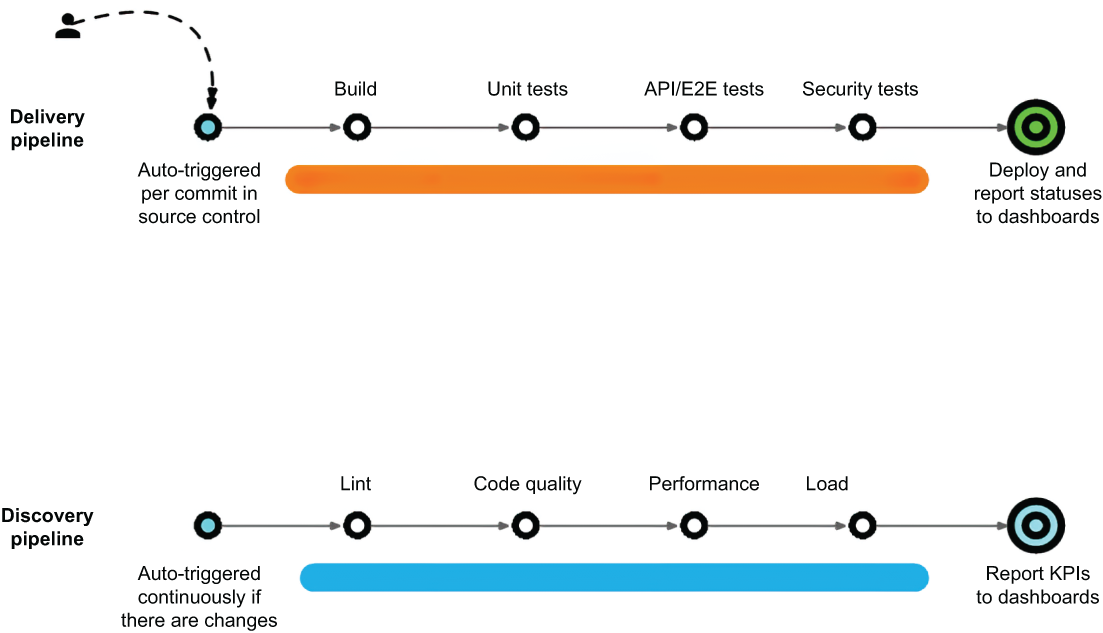
Figure 10.6 Delivery vs. discovery pipelines
10-06

Compare the roles of delivery and discovery pipelines. section 10.4.1

How The Art of Unit Testing 3e covers it

How deep it goes
Defines the release-check role and contrasts discovery testing, without detailing tools or implementation steps.
Examples
Contrasts fast, release-blocking tests with parallel, long-running good-to-know tests.
What you can do after
Operate a go/no-go release check that can automatically release code when blocking tests pass.
How it connects
Connects delivery pipelines with discovery pipelines, automated testing, and continuous delivery.

Also explained in

Compare how 32 books explain deployment pipeline →

Related concepts

This explainer was generated by Manning's knowledge graph from the text of The Art of Unit Testing 3e. The section links point to the parts of the book it draws on.