A search pipeline is a sequence of processing stages that prepares documents or interprets queries before results reach a user. Keeping stages modular makes it easier to add, reorder, or replace parsing, models, and ranking logic as search needs change. section 1.3.7 section 7.1
A semantic query pipeline commonly has four phases:
- Parse the query to identify entities and their relationships. section 7.4
- Enrich it with context, such as learned relationships, alternative spellings, or signals about popular results. section 7.4 section 7.5
- Transform it into a query suited to the target search engine, then search and return ranked results. section 7.4
The phases need not run just once in a straight line: a pipeline can repeat stages, skip them, run conditional searches, or merge results. A keyword-based fallback provides a match path when more specialized models cannot interpret a query. Models must be placed in an appropriate order rather than treated as interchangeable additions. section 7.0 section 7.1 section 7.4
From words to restaurant results
A query such as “top kimchi near charlotte” can fail as a literal search when no document contains every keyword. Semantic parsing and enrichment instead produce results in Charlotte with top ratings, including relevant Korean restaurants whose reviews do not contain “kimchi.” The pipeline turns words such as “top” and “near” into useful search constraints rather than requiring them to match as ordinary keywords. section 7.3 section 7.5
Pipelines also operate before query time: document stages can normalize fields, extract entities, or add embeddings, while scheduled jobs learn from content and user signals. Query-time stages can then use that prepared information without making every request wait for the learning jobs. section 1.3.7
The word also names a specific Transformers API. In Python, `pipeline("question-answering", model=model_name, tokenizer=model_name, device=device)` packages a pretrained model for question-and-context inputs. Its generated answers are guesses until reviewed; this tool is distinct from the broader, modular search workflow. section 14.2.2
Figure 7.7 Semantic search example returns relevant results by better interpreting and executing the query
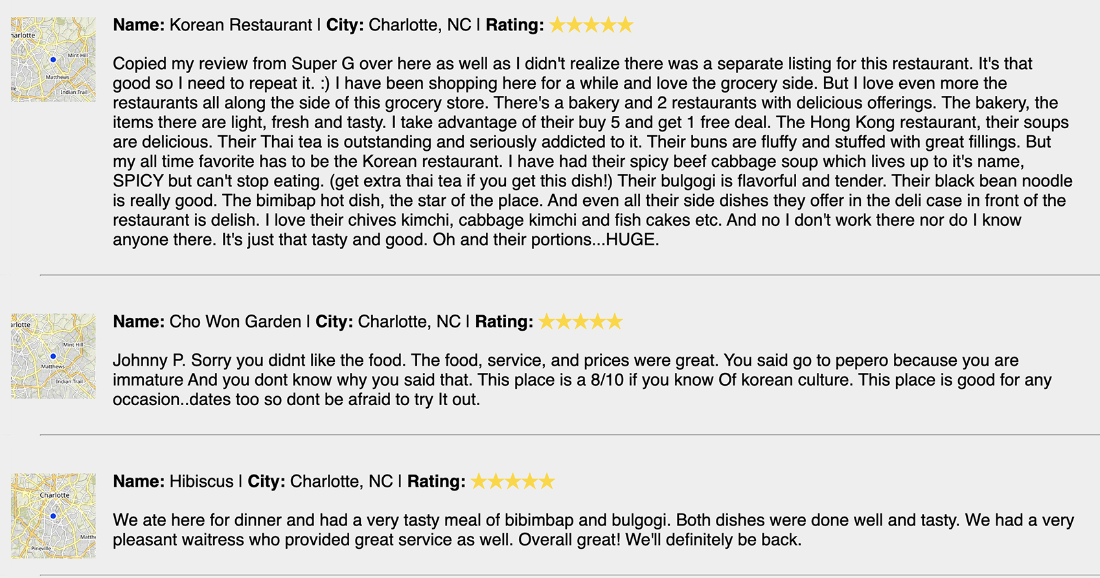
Compare the semantic-search results with the zero-result lexical search to see the practical effect of query interpretation. section 7.3















































