liveBook · Manning

Pipeline

As explained in Starting Data Analytics with Generative AI and Python

A data pipeline is a sequence of processes that moves and transforms data between sources, storage, and analytical stages.

A data pipeline moves raw data through collection, cleaning, processing, and presentation so analysis can support business decisions. Its shape depends on the data, question, methods, and audience. section 1.2.1

A typical analytical pipeline:

  • Collect and clean data from relevant sources. section 1.2.1
  • Standardize the data and process it with appropriate algorithms. section 1.2.1
  • Present results to the audience who must use them. section 1.2.1

Different questions, different pipelines

A retail pipeline can combine transactions, customer feedback, and website interactions for segmentation, product affinity analysis, and sales forecasting. Healthcare and manufacturing pipelines use different inputs and analytical goals. section 1.2.1

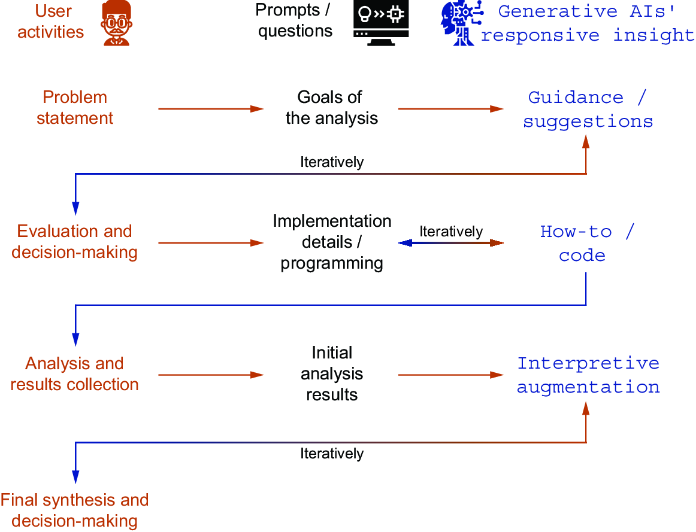
Figure 1.1 Recommended generative AI–supported data analysis flow
figure

Use the flow diagram to trace how generative AI can support the stages of data analysis. section 1.2.1


How Starting Data Analytics with Generative AI and Python covers it

How deep it goes
Defines collection, cleaning, processing, and presentation, but defers detailed methods for each stage.
Examples
Uses retail, healthcare, and manufacturing examples with distinct data sources and analytical goals.
What you can do after
Apply a staged workflow that collects, prepares, analyzes, and presents data for a defined business question.
How it connects
Connects pipelines with data cleaning, algorithms, business questions, and business decisions.

Also explained in

Compare how 48 books explain pipeline →

Related concepts

This explainer was generated by Manning's knowledge graph from the text of Starting Data Analytics with Generative AI and Python. The section links point to the parts of the book it draws on.













































