liveBook · Manning

Structured data

As explained in Claude at Work

Structured data is information organized according to a defined schema that makes its fields and records machine-readable.

Structured data organizes information under a defined schema, making fields and records machine-readable. In a local research workflow, CSV datasets pair with JSON field descriptions and Markdown read-me files, letting Claude explore data alongside metadata and unstructured text. section 3.3

Explore public datasets

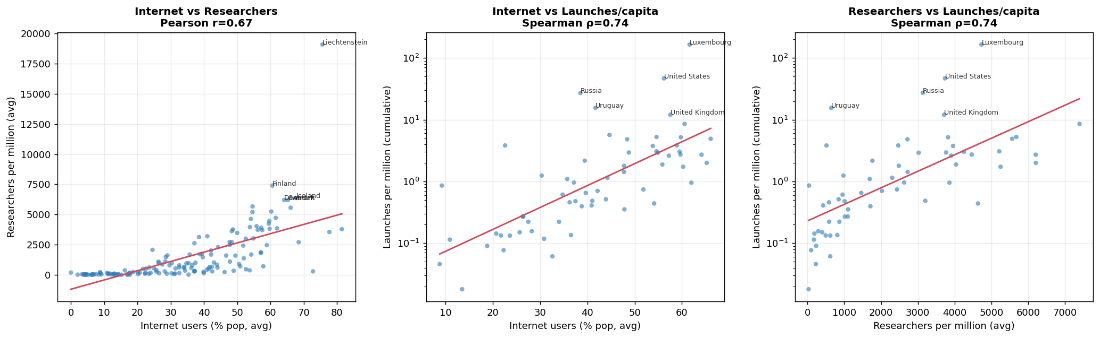
Download Our World in Data ZIP files about internet use, researchers, and space launches, then ask Claude to investigate correlations among the measures. section 3.3

Figure 3.4 Charts Claude generated using pandas from the Our World in Data ZIP files in my folder
CH03 F04 Stoneman

Charts generated from the local datasets illustrate one way to explore structured data. section 3.3


How Claude at Work covers it

How deep it goes
Shows CSV data paired with JSON field descriptions and Markdown read-me files, without detailing schema design.
Examples
Downloads datasets on internet use, researchers, and space launches to prompt correlation questions.
What it assumes
Assumes downloaded local ZIP datasets and identifies their CSV data, JSON field descriptions, and Markdown read-me files.
What you can do after
Apply it via Claude Cowork to inspect local dataset ZIPs and investigate correlations among measures.
How it connects
Pairs CSV datasets with JSON field metadata and Markdown documentation, alongside unstructured text.

Also explained in

Compare how 31 books explain structured data →

Related concepts

This explainer was generated by Manning's knowledge graph from the text of Claude at Work. The section links point to the parts of the book it draws on.