When a service slows down or a change fails to take hold, monitoring turns vague concern into observable evidence. It continuously tracks system health, performance, or progress against agreed expectations so teams can detect problems, respond, and improve. section 12.2.5 section 13.2.5
Use monitoring to support several practical responsibilities:
- Detect outages and performance issues early, then take proactive measures to reduce customer impact. section 12.2.5
- Combine dashboards and alerts to expose service health, customer-use trends, abnormal values, and recovery toward expected ranges. section 12.2.5
- Support troubleshooting by connecting observations with logs, run books, technical documentation, ownership, and root-cause analysis. section 12.2.5
- Measure organizational change against predetermined success criteria, using feedback from surveys and retrospectives to find improvements. section 13.2.5
- Track project-portfolio performance alongside resource allocation, risk management, prioritization, and decision support. section 10.1
From alert to recovery
A dashboard shows a service metric leaving its expected range. An alert points the team to relevant logs and a run book, which identifies ownership and guides mitigation. After the fix, the dashboard confirms that the service has returned to a healthy range. For a broader organizational change, surveys and retrospectives provide the equivalent feedback loop. section 12.2.5 section 13.2.5
Figure 12.1 Monitoring and dashboarding help provide visibility into the health of systems.
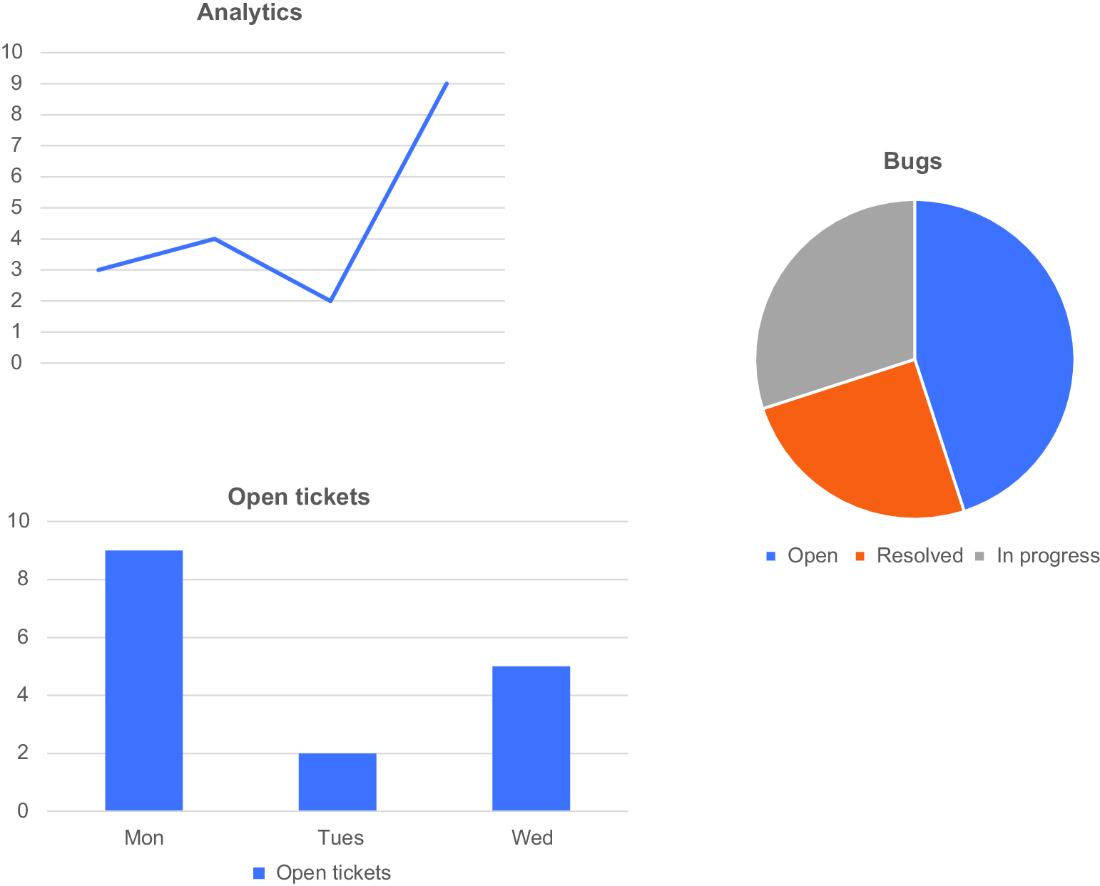
A visual overview helps connect monitoring and dashboarding with visibility into overall system health. section 12.2.5







































