liveBook · Manning

Machine learning

As explained in Graph Algorithms for Data Science

Machine learning is a computational approach in which models learn patterns from data to perform predictions or other tasks.

Machine learning uses patterns in data to improve predictions or other tasks. In graph analysis, node positions and roles provide additional information that can increase a model’s predictive capability. section 1.1

A graph supplies machine learning with relationship-based signals:

  • Users appear as nodes, while follows, likes, and other connections describe their relationships. section 1.1
  • Graph algorithms can reveal communities and influential nodes whose positions or roles may support prediction. section 1.1
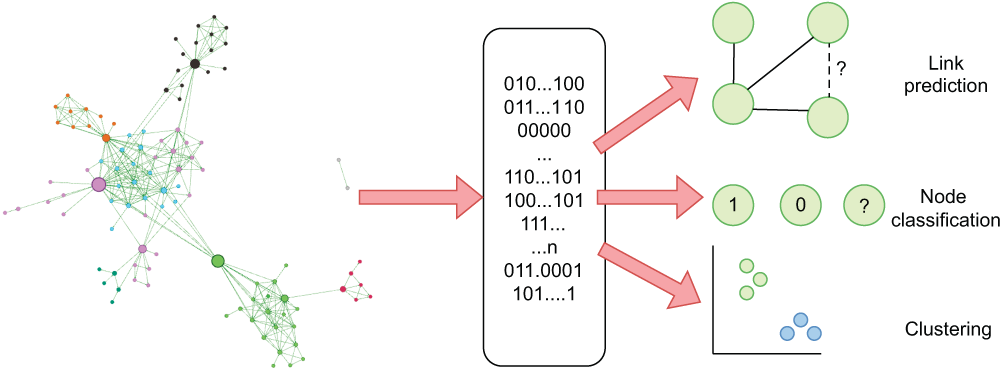
Figure 1.10 Graph-based machine learning
01-10

Use the graph-based machine learning figure to connect graph structure with predictive modeling. section 1.1


How Graph Algorithms for Data Science covers it

How deep it goes
Connects graph structure to prediction but stops short of explaining model training or implementation.
Examples
Uses Facebook and Twitter-style user networks, follows, likes, communities, and influential nodes as examples.
What it assumes
Assumes basic graph concepts such as nodes and relationships while illustrating their meaning through social networks.
What you can do after
Evaluate how graph-derived positions and roles can provide information for predictive models.
How it connects
Links machine learning with graph algorithms, community detection, clustering, influence, and graph visualization.

Also explained in

Compare how 42 books explain machine learning →

Related concepts

This explainer was generated by Manning's knowledge graph from the text of Graph Algorithms for Data Science. The section links point to the parts of the book it draws on.







































